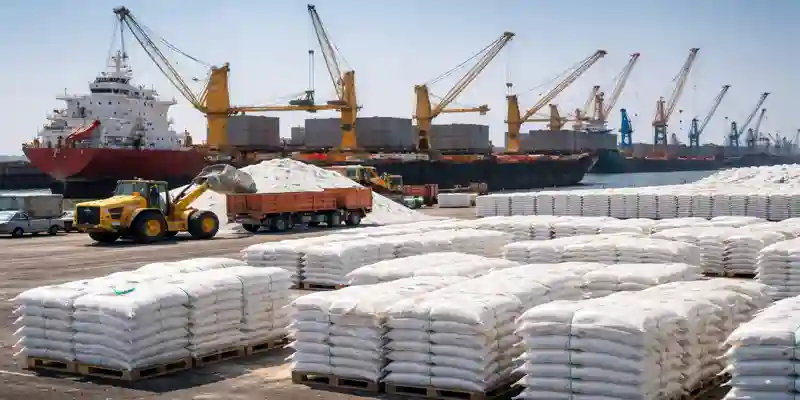
Indian Fertilizer Imports are gaining urgency as global supply chains face disruption due to escalating tensions in the Middle East. To ensure timely availability of urea and DAP ahead of the monsoon season, India has started engaging directly with major exporting countries.
According to sources, India is in talks with major exporters such as Russia, Indonesia, Malaysia, Vietnam, Algeria, and Egypt to secure supplies of urea and di-ammonium phosphate (DAP). These fertilizers are essential for key crops like rice, soybean, and corn. India has also approached China for additional urea supplies.
India Urea and DAP Supply Talks Expand Globally
To strengthen supply security, the government has widened its outreach beyond traditional partners. Discussions are ongoing with countries including Morocco, Australia, Jordan, Canada, Finland, and Togo.
Around 16 Indian missions abroad are actively coordinating to identify alternative supply sources. This move comes as India, the world’s largest urea importer, considers delaying fresh import tenders in favor of direct government-to-government deals.
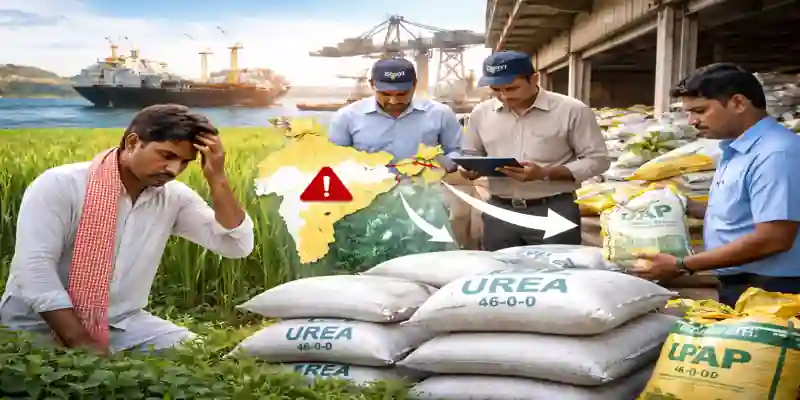
At the domestic level, authorities are urging states to promote efficient fertilizer use and prevent hoarding. Demand is expected to rise sharply from mid-May, ahead of the monsoon sowing season in June.
Middle East Conflict Impacts Indian Fertilizer Imports
The ongoing tensions have disrupted natural gas supplies in the Middle East, a critical region for fertilizer production. Natural gas is a key input for urea manufacturing, and supply constraints have forced several plants in India and neighboring countries to scale down operations.
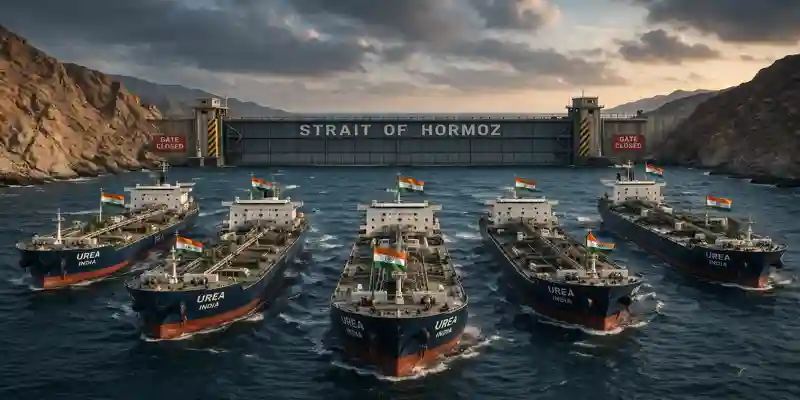
Additionally, disruptions around the Strait of Hormuz — a vital global energy and fertilizer trade route — have slowed shipments and tightened global availability. Nearly 45% of global fertilizer supplies pass through this region, making it highly sensitive to geopolitical risks.
Global Urea Prices Surge Amid Supply Disruptions
As supply constraints intensify, global urea prices have surged following the effective disruption of trade flows through the Persian Gulf region. Countries worldwide are responding by restricting exports, easing import rules, or seeking alternative suppliers.
For India, ensuring timely fertilizer availability remains critical to avoid any disruption to agricultural output. With monsoon sowing approaching, the government’s proactive strategy aims to stabilize supply and protect farmers from price volatility.