Fertilizer Supply India Strengthens as Imports Surge to Ensure Availability
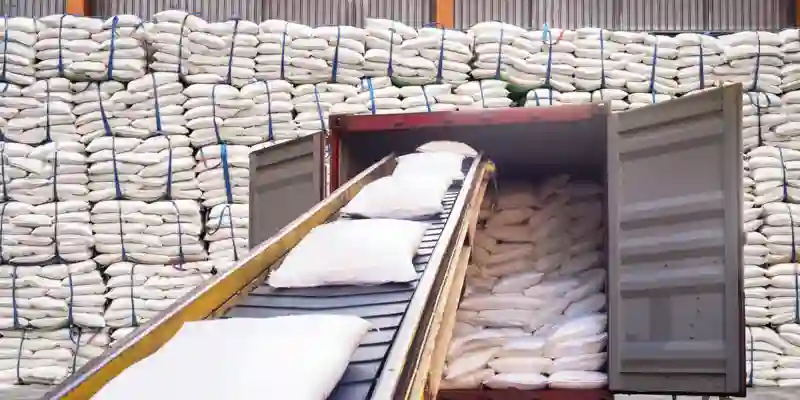
Fertilizer Supply India has remained stable as the government increased imports to meet rising demand across the country. Moreover, the Centre confirmed that it has ensured timely availability of fertilizers by bridging the gap between domestic production and consumption.
The Ministry of Chemicals and Fertilizers stated that demand is assessed by the Department of Agriculture and Farmers Welfare in consultation with states. This assessment considers key factors such as cropped area, irrigation coverage, past consumption, and soil health requirements.
Import Surge Supports Fertilizer Availability
Official data shows a sharp increase in fertilizer imports during April–January FY 2025–26.
Urea imports rose to 89.30 lakh tonnes, up from 48.70 lakh tonnes last year
DAP imports increased to 60.16 lakh tonnes, compared to 43.09 lakh tonnes
As a result, the government successfully managed supply despite rising demand.
Domestic Production Sees Slight Decline
However, domestic fertilizer production recorded a marginal decline:
Urea production stood at 251.26 lakh tonnes, down from 258.48 lakh tonnes
DAP production fell slightly to 33.71 lakh tonnes from 34.25 lakh tonnes
Despite this, supply remained stable due to higher imports.
Fertilizer Sales Continue to Rise
Furthermore, fertilizer consumption increased during the same period:
Urea sales reached 352.61 lakh tonnes (previous: 345.86 lakh tonnes)
DAP sales rose to 91.36 lakh tonnes (previous: 90.31 lakh tonnes)
This indicates strong agricultural demand across India.
Government Promotes Nano Fertilizers
In addition, the government is promoting innovative fertilizers under the Fertilizer Control Order, 1985.
Nano Urea sales reached 182.50 lakh bottles (500 ml)
Nano DAP sales stood at 144.93 lakh bottles
These products are gaining traction as sustainable alternatives to conventional fertilizers.
Advance Planning Ensures Supply Stability
The Ministry emphasized that fertilizer imports are planned well in advance. Therefore, supply remains uninterrupted during peak agricultural seasons. This proactive approach helps protect farmers from shortages and price volatility.