
India fertiliser supply secure heading into the agricultural season, successfully insulated from the impact of China’s export restrictions through diversified sourcing and advance import agreements. According to Fertiliser Association of India (FAI) Chairman S Sankarasubramanian, timely government intervention ensured stable inflow of DAP, NPK complexes and urea, keeping stock levels healthy nationwide.
Speaking at the FAI Annual Seminar 2025 curtain raiser, the Coromandel International MD & CEO said India acted early by signing long-term fertiliser agreements with the Middle East, Africa and Russia.
“China’s reduced supply is not affecting India. We are covered through long-term contracts and advance cargo,” he told ANI.
India fertiliser supply secure due to diversified sources
Sankarasubramanian said Morocco and Middle East suppliers remain key for DAP, while Russia continues to deliver NPK volumes. Strong monsoon rains pushed fertiliser demand higher in both Kharif and Rabi, yet availability remains comfortable.
“Urea is available adequately across states; no nationwide shortage exists,” he said.
India imported 8–9 million tonnes of urea through November 2025, up from 5.6 million tonnes last year.
DAP imports climbed from 4.5 to 7 million tonnes, NPK from 2.2 to 3.3 million tonnes, while MOP dipped slightly to 3 million tonnes.
Current stocks hold 5 million tonnes of urea, 1.7 million tonnes of DAP, and 3.5 million tonnes of NPK—reflecting stronger reserves than last year in most categories.
New capacity boosts self-reliance, Atmanirbhar push growing
Domestic urea capacity has risen by 7 million tonnes after revival of multiple plants, with more expansion underway.
“India will soon become self-sufficient in urea production,” Sankarasubramanian said confidently.
He added that manufacturers are now adopting the Atmanirbhar roadmap for phosphatic fertilisers, supported by new plant announcements, bilateral supply partnerships with Saudi Arabia, Jordan, Morocco, Qatar and Russia, and increased digitalisation in subsidy systems.
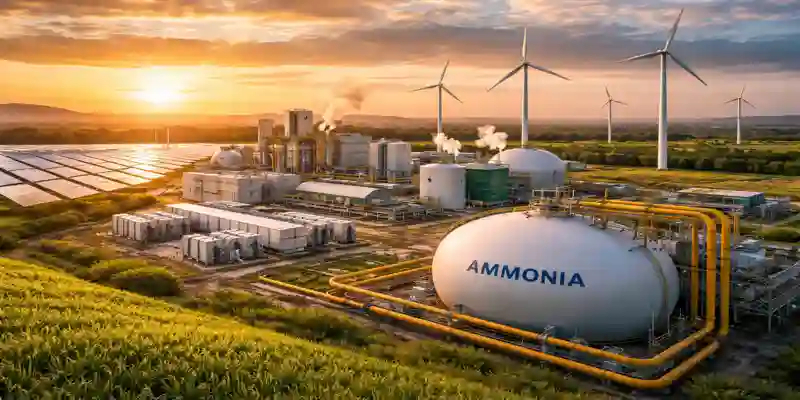
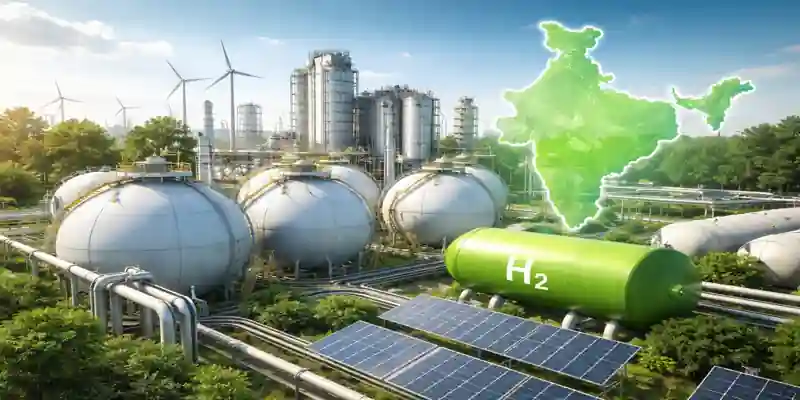
Green ammonia projects and nano urea/nano DAP adoption are gaining pace, reducing application rate per acre while maintaining output. Direct benefit transfer for farmers will strengthen further once beneficiary validation and tenancy data gaps close.
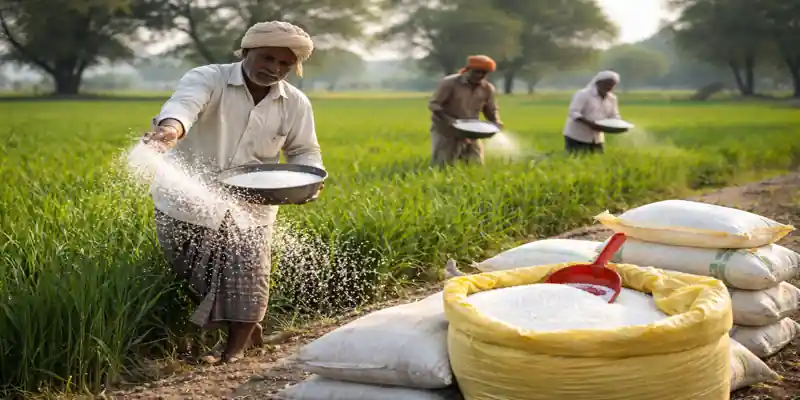
India now consumes nearly 70 million tonnes of fertilisers annually, serving 140+ million farmers. Production has grown from 38 to 51 million tonnes in 10 years, supported by over 150 manufacturers.
FAI DG Suuresh Kumar Chaudhari stated,
“The next decade will redefine nutrient efficiency through innovation, sustainability and data intelligence.”
The government provided ₹1.9 lakh crore in subsidy support under urea and nutrient-based frameworks in FY 2024-25.