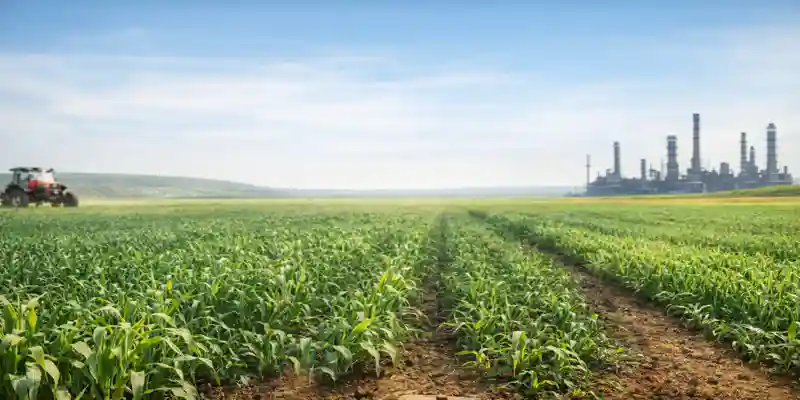
The temporary suspension of urea production at Ramagundam Fertilisers and Chemicals Limited (RFCL) has worsened the fertilizer shortage in Telangana during the crucial kharif season. Reported technical snags forced the shutdown, drawing sharp criticism from political leaders and increasing concern among farmers.
Urea Production Stops After Leakages
On August 14, RFCL stopped urea production after workers detected pipeline leakages. Repair and inspection teams are on the job, and officials expect operations to restart in the next few days. The delay has already disrupted fertilizer availability at a time when farmers need it most.
RFCL’s Role in Fertilizer Supply
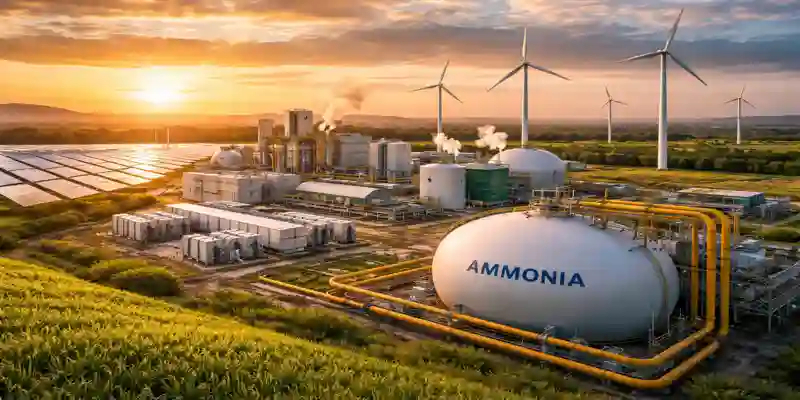
RFCL began commercial production on March 22, 2021. The Government of India revived the plant to supply farmers with affordable urea on time. The facility can produce 3,850 metric tonnes of urea per day and 2,200 metric tonnes of ammonia per day.
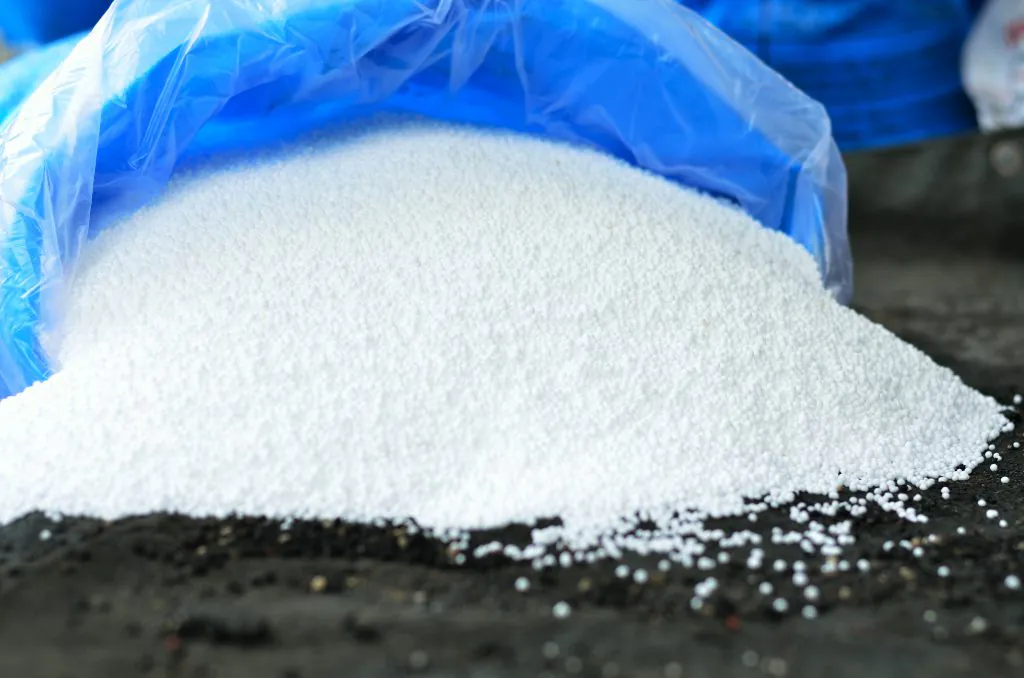
The plant supplies prilled urea to farmers in Telangana, Andhra Pradesh, Karnataka, Maharashtra, and Madhya Pradesh. The shutdown during peak sowing has therefore raised fears of a deeper shortage.
Political Leaders Raise Concerns
Ramagundam MLA Makkan Singh Raj Thakur criticized the recurring technical snags at RFCL. He pointed out that Telangana provided land, water, power, coal, and infrastructure for the project and should receive 50% of the urea output.
“Telangana has not received even 20% of the produced urea this kharif season,” he said. Thakur urged the Centre to release additional urea from imported stocks to protect farmers.
Farmers Struggle for Urea
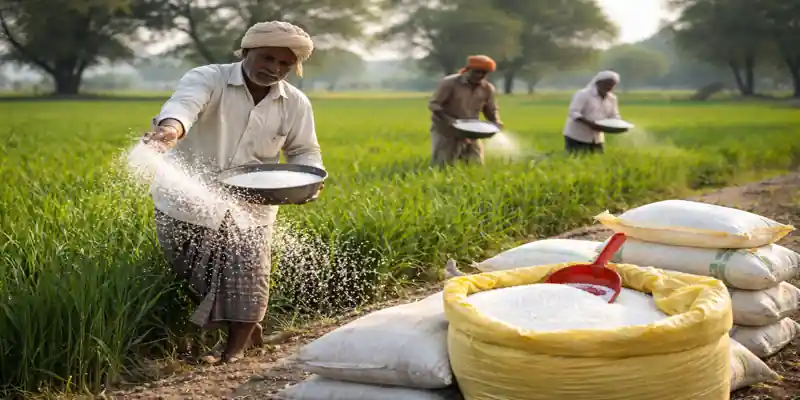
Farmer groups reported serious difficulties in accessing fertilizer. Bonthu Rambabu, district secretary of Telangana Rythu Sangham in Khammam, said farmers waited in long queues at PACS and fertilizer shops but returned empty-handed. He accused the Centre of showing “political discrimination” in the supply of urea to Telangana.
Outlook
RFCL officials expect to resume production soon. But the crisis has already shown how fragile fertilizer supply can be during peak cropping seasons. Farmer unions and political leaders continue to demand urgent action to ensure uninterrupted supply of urea.