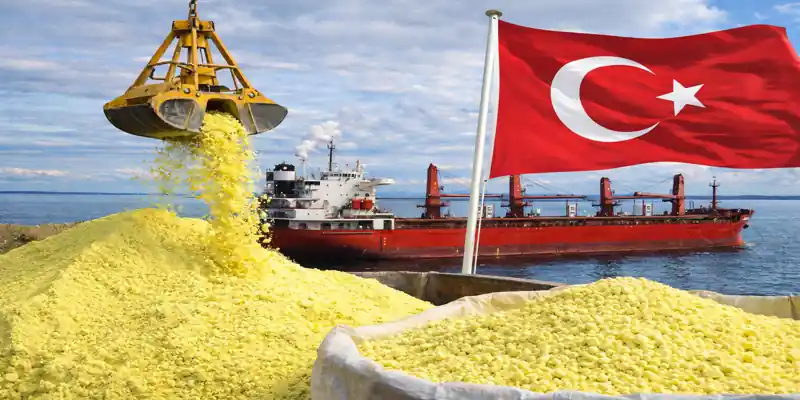
The Turkey sulphur export ban has come into effect from 7 April 2026, restricting overseas shipments amid rising prices and tightening supply in the global market.
Under the new regulation, exports of sulphur under customs tariff code 2503 have been suspended, except for shipments that were already cleared before the implementation date. The decision will remain in place during the second and third quarters of 2026, with limited exemptions.
Price Surge and Supply Shortage Drive Ban
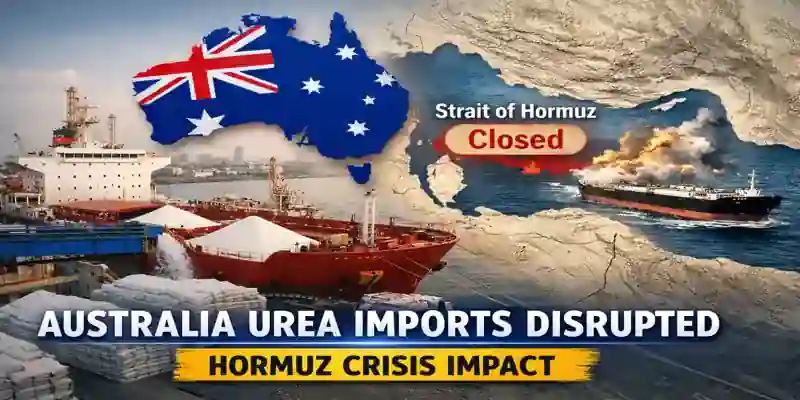
The export restriction follows a sharp 35–40% increase in sulphur prices, driven by supply shortages linked to ongoing disruptions in the Middle East. The tightening supply situation has prompted authorities to prioritize domestic availability.
Impact on Global Market
Turkey plays an important role in regional sulphur trade, particularly in the Mediterranean market. The suspension of exports is expected to:
- Reduce spot availability in nearby markets
- Push prices higher in import-dependent regions
- Increase reliance on alternative suppliers
Export Tender on Hold
State refiner Tupras, which typically offers around 8,000 tonnes per month through export tenders, has reportedly paused its sales program following the announcement.
Key Export Destinations Affected
In 2025, Turkey exported approximately 226,500 tonnes of sulphur, with major destinations including:
- Egypt
- Tanzania (copper belt demand)
- Greece
- Lebanon
The ban is expected to disrupt supply flows to these regions in the coming months.
Market Outlook
The Turkey sulphur export ban is likely to keep global sulphur markets tight in the near term. With Middle East disruptions continuing and alternative supply limited, prices may remain elevated through Q2 and Q3 2026.