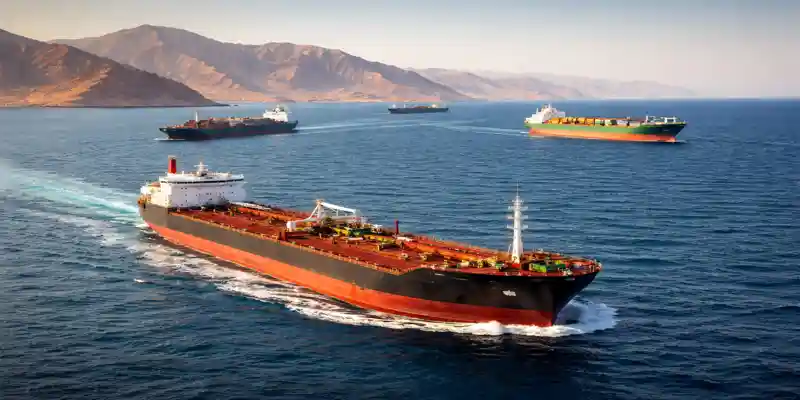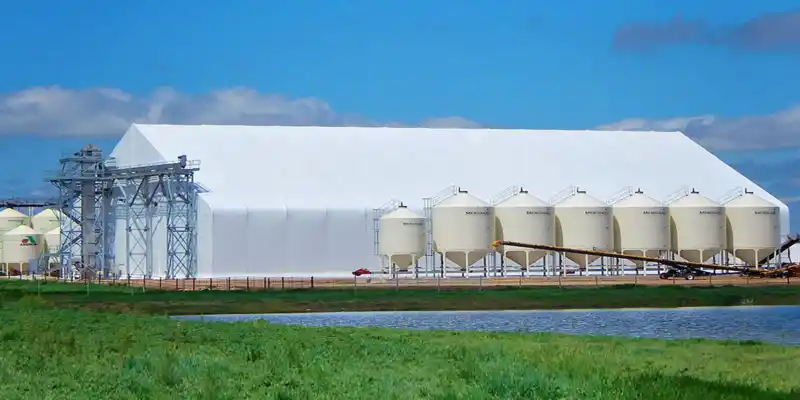

The Australia fertilizer supply crisis is intensifying as growers face rising fertilizer and fuel costs ahead of the winter planting season. Disruptions in urea imports, mainly due to tensions affecting the Strait of Hormuz, are forcing farmers to rethink crop strategies, potentially impacting yields and crop quality.
Urea Supply Disruption Threatens Crop Nutrition
Australia relies heavily on urea imports, with nearly two-thirds sourced from the Middle East Gulf. However, the effective closure of the Strait of Hormuz has disrupted supply flows.
- Existing stocks are sufficient for pre-seeding applications
- But topdressing demand (June–August) remains at risk
- Limited arrivals expected in April due to shipping delays
Topdressing is critical for maintaining crop yields and improving wheat protein levels. Any shortage could directly reduce both output and quality.
Fertilizer Prices Surge Sharply
Urea prices have surged significantly due to supply constraints and higher freight costs:
- Prices reached A$1,250–1,340/t fca Geelong
- This marks a 55% increase compared to pre-war levels
- Some trades reported above A$1,400/t
Higher fertilizer and fuel costs are now key factors influencing planting decisions across Australia.
Shift in Crop Planting Strategy
Farmers are actively adjusting their crop mix to manage rising input costs:
Barley Gains Over Wheat
- Lower fertilizer requirement
- Strong market prices
Canola Outlook Mixed
- Supported by strong oil prices
- But higher input costs may limit expansion
Pulse Crops on the Rise
- Crops like lentils and broad beans require less fertilizer
- Recommended by agronomists, especially in Western Australia
Fallow Land in Dry Regions
- Northern regions may leave some acreage uncultivated due to dry conditions
Limited Alternatives to Urea
Replacing urea is challenging:
- UAN (Urea Ammonium Nitrate):
- Supply constrained after China halted exports (13 March)
- Ammonium Sulphate (Amsul):
- Contains half the nitrogen of urea
- Higher logistics and application costs
This limits farmers’ flexibility in nutrient management.
Shipping Disruptions Add Pressure
- Last fertilizer vessel via the Strait of Hormuz departed 23 February
- Expected arrival in Western Australia: 26 March
- No expected shipments in April due to transit timelines (~3 weeks)
This gap in arrivals could tighten supply during a critical farming window.
Market Outlook
The Australia fertilizer supply crisis is likely to:
- Reduce fertilizer application rates
- Impact wheat protein levels and overall yields
- Shift planting toward low-input crops
- Increase volatility in agricultural output
Future supply will depend heavily on geopolitical developments and restoration of trade flows through the Middle East.