
Europe fertilizer crisis has become one of the most serious yet overlooked challenges facing the continent’s agricultural sector. While Brussels concentrates on farmers’ protests, trade negotiations, and environmental targets, rising fertilizer costs and restrictive policies continue to erode farm profitability across Europe.
In recent months, thousands of farmers have found themselves trapped between soaring input costs and shrinking margins. As a result, anger and frustration have grown rapidly across rural Europe.
Fertilizers at the Core of Europe’s Cost Shock
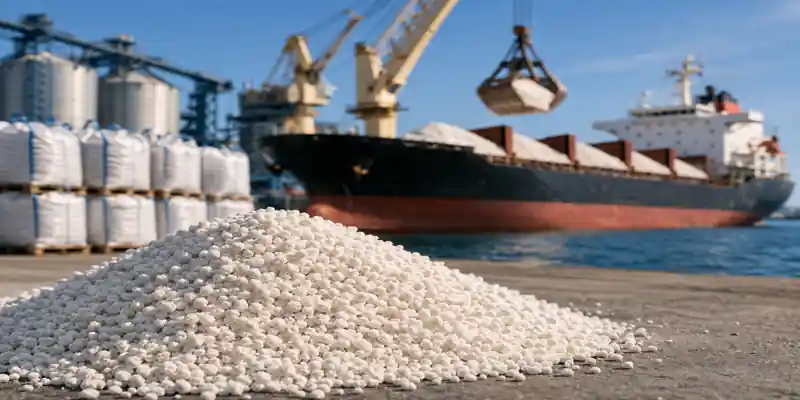
The Europe fertilizer crisis centres on nitrogen, phosphate, and potash fertilizers, which are essential for modern farming. However, sanctions, tariffs, trade restrictions, and environmental regulations have converged to create a perfect storm for European agriculture.
Since the outbreak of the war in Ukraine, the European Union has increasingly treated fertilizers as a geopolitical tool. Repeated discussions about sanctioning Russian and Belarusian fertilizers have heightened uncertainty. Together, these suppliers cover a significant share of Europe’s fertilizer demand.
According to industry estimates, further restrictions could raise the EU’s fertilizer import bill by nearly €4 billion. Consequently, production costs would rise sharply, pushing food prices higher across the region.
Rising Prices Force Lower Fertilizer Use
The impact of the Europe fertilizer crisis is already visible. Fertilizer prices remain around 20% higher than last year, while key products such as urea cost nearly double their 2020 levels.
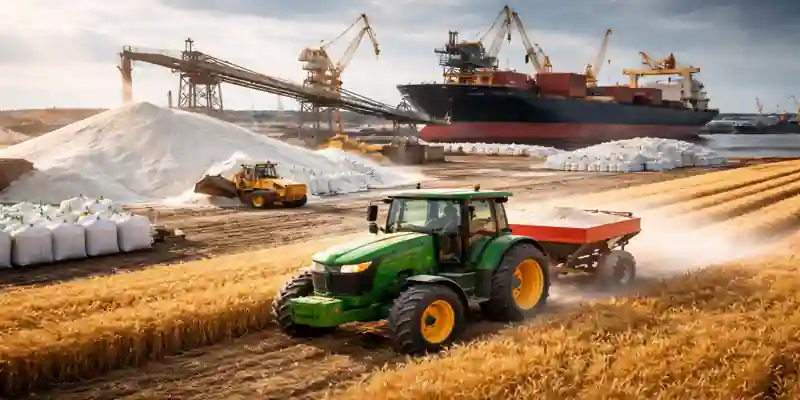
Because of these costs, many farmers have reduced fertilizer application. However, lower use directly affects crop yields. Smaller harvests then translate into higher food prices, adding to inflation and increasing the risk of supply shortages.
EU Regulations Add Further Pressure
At the same time, domestic EU policies continue to tighten. Rules such as the Nitrates Directive aim to reduce environmental damage but also raise compliance costs and limit operational flexibility.
Moreover, European farmers must meet standards that many non-EU producers do not face. These imported products then enter the EU market, creating an uneven competitive landscape.
Limited Gains for Europe’s Fertilizer Industry
Notably, restricting external suppliers has failed to strengthen Europe’s fertilizer manufacturing base. Instead, the policy has reduced competition and consolidated the market among a few large producers.
Sector sources warn that removing Russian fertilizers would mainly benefit large industrial groups. However, it would not improve supply availability or lower prices for farmers.
Farmers Warn of Long-Term Food Security Risks
Farming organisations have strongly criticised current policies. Copa-Cogeca has described EU measures as “smoke and mirrors,” while the European Council of Young Farmers warns that rising costs and falling profitability are driving younger generations away from farming.
Rather than achieving strategic autonomy, Europe risks deeper dependence on other global suppliers. China, which controls nearly 30% of global phosphate supply, has already restricted exports, tightening an already fragile market.
By closing supply channels without expanding domestic capacity, Europe is increasing its exposure to future fertilizer and food security shocks.