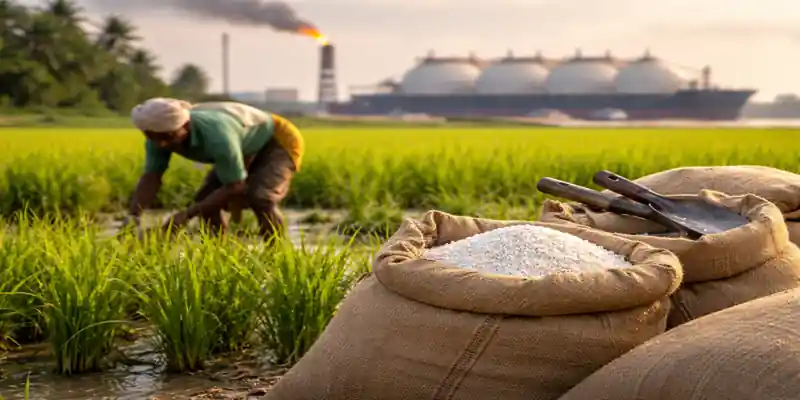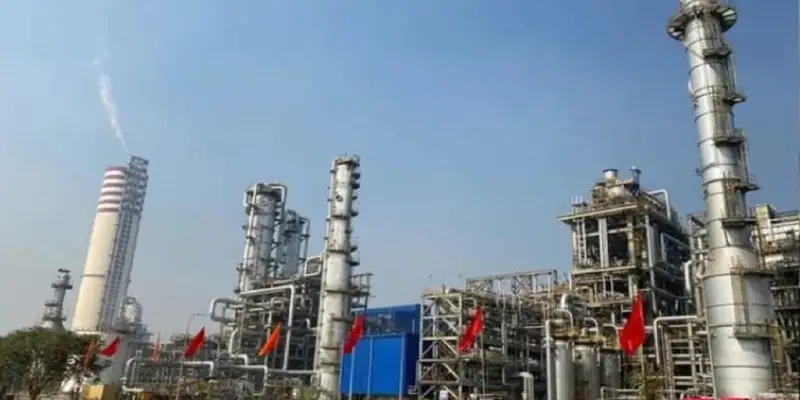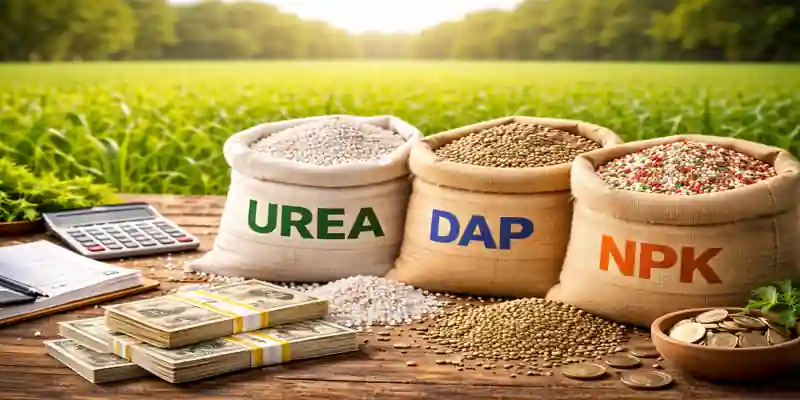


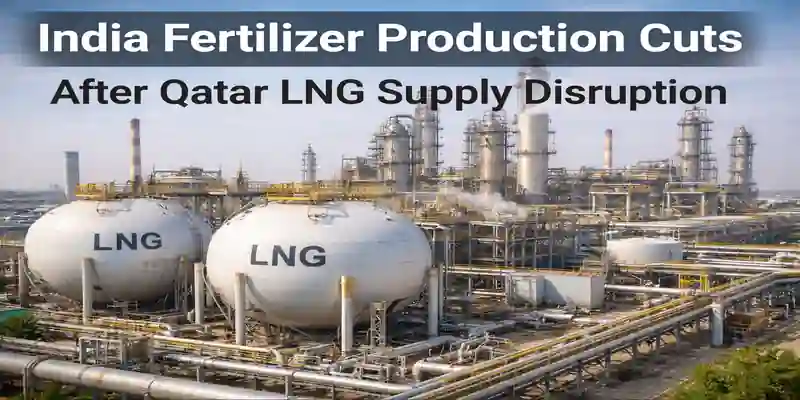
India fertilizer production cuts have started after supplies of liquefied natural gas (LNG) from Qatar were disrupted due to escalating hostilities in the Middle East. The supply shock has forced several fertiliser manufacturers to reduce operations at urea plants that rely heavily on natural gas as their primary feedstock.
Industry sources said that some producers, including Indian Farmers Fertiliser Cooperative Ltd. (IFFCO), have already implemented reductions at certain facilities. If the disruption continues for a longer period, companies may be forced to temporarily shut additional plants, which could intensify India fertilizer production cuts across the sector.
India Fertilizer Production Cuts Impact Urea Plants
Liquefied natural gas is the most important feedstock used in the production of urea fertilizer. LNG provides both the energy required to run fertilizer plants and the raw material used to produce ammonia, which is later converted into urea.
Because of this dependence, any interruption in LNG supply immediately affects fertilizer manufacturing capacity. The current situation linked to Middle East tensions has already begun to influence India fertilizer production cuts, as gas allocations to industries tighten.
Rising Raw Material Prices Add Pressure
Apart from LNG supply disruptions, fertilizer manufacturers are also facing rising costs of other raw materials such as ammonia and sulfur. These increases are adding further pressure on production margins and may worsen the situation if the conflict continues.
Market analysts warn that prolonged disruptions could expand fertilizer production cuts, potentially tightening supply and increasing fertilizer prices.
Government Monitoring Fertilizer Supply
Officials from India’s fertilizer ministry said the situation is being closely monitored. According to the Fertiliser Association of India, there are currently enough stockpiles to meet near-term demand.
However, if LNG disruptions persist, fertilizer production cuts could force the country to increase fertilizer imports ahead of the monsoon planting season that begins in June.
India is one of the world’s largest agricultural producers and depends heavily on urea fertilizer for crops such as rice, wheat, sugar, and cotton.