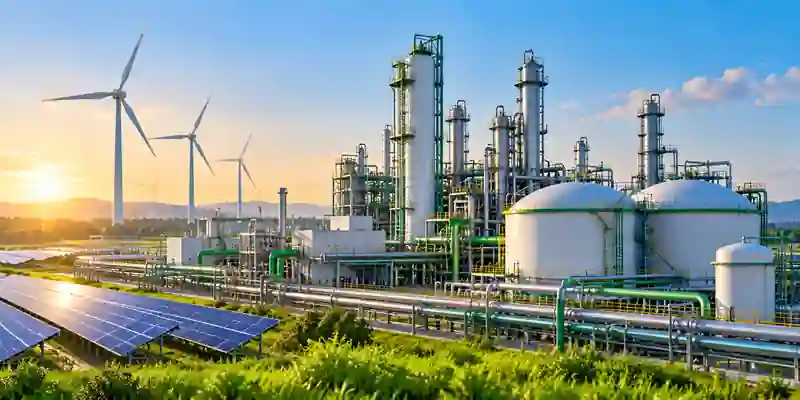
India is set to produce approximately 1.1 million tonnes of green ammonia annually by converting an existing natural gas-powered ammonia and urea plant into a renewable energy-powered facility. The project, led by AM Green Ammonia (India) Private Limited, is backed by financing from the Asian Development Bank (ADB) and Japan.
According to the ADB, the facility is expected to become one of the world’s largest renewable-powered ammonia production plants. The project marks a significant step towards reducing emissions from India’s fertiliser industry and expanding the country’s green energy production capacity.
ADB and Japan Back Green Ammonia Project in India
The financing package includes a US$100 million loan from the Leading Asia’s Private Infrastructure Fund 2 (LEAP 2). The fund is financed by the Japan International Cooperation Agency (JICA) and administered by the ADB.
The investment will support the development of renewable energy-powered ammonia production, helping advance cleaner industrial processes in India.
ADB President Masato Kanda highlighted the potential of renewable energy to transform ammonia manufacturing and reduce the sector’s environmental impact.
“By using renewable energy instead of fossil fuels, India can produce it with far lower emissions and at a scale that can help reshape this industry,” Kanda said.
Project Marks First Investment Under ACCEL Initiative
The green ammonia project is the first investment under the Action for Creating Energy Security for Long-term Resilience (ACCEL), an initiative launched by the ADB and Japan in May 2026.
The initiative aims to help countries and businesses across the Asia-Pacific region manage rising energy costs while developing more diversified, resilient and sustainable energy systems.
Consequently, the investment highlights the growing role of international development finance in supporting industrial decarbonisation and improving long-term energy security.
Green Ammonia to Support India’s Fertiliser Industry
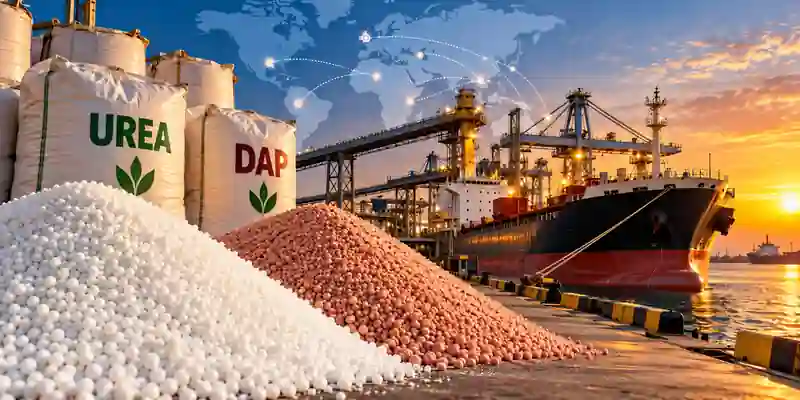
Green ammonia is produced using renewable energy rather than relying on conventional fossil-fuel-based production processes. It offers a lower-emission alternative to traditional ammonia, a key raw material used in urea and other fertilisers.
By expanding green ammonia production, India can work towards reducing the carbon footprint of fertiliser manufacturing while supporting the wider adoption of clean energy in energy-intensive industries.
Furthermore, converting an existing ammonia and urea facility could help advance the transition towards lower-emission production infrastructure. The scale of the proposed project also highlights the potential for renewable-powered ammonia to contribute to India’s long-term industrial and energy objectives.
Outlook for India’s Green Ammonia Market
The planned 1.1 million tonnes per year facility represents a significant development for India’s green ammonia sector. With support from the ADB and Japan, the project is expected to contribute to cleaner industrial production and strengthen the country’s renewable energy ecosystem.
Going forward, the project’s progress could provide an important reference point for other fertiliser and chemical manufacturers exploring renewable-powered production. However, the pace of wider adoption will depend on project execution, renewable energy availability, infrastructure development and the commercial competitiveness of green ammonia.
As India pursues cleaner industrial growth, green ammonia is likely to become an increasingly important area of investment for the fertiliser, chemicals and energy sectors.