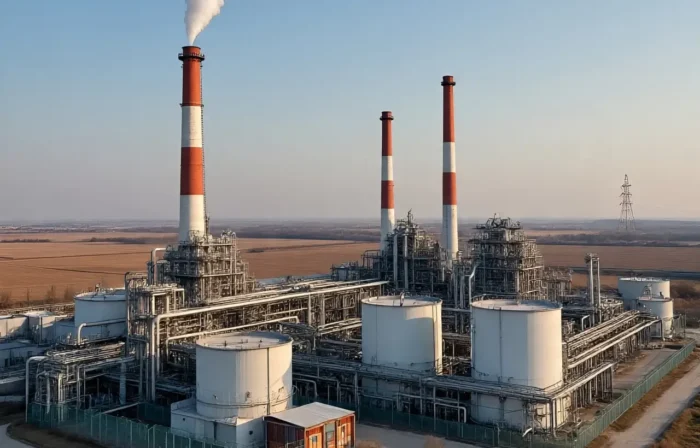
India Russia urea project: Indian fertiliser companies are planning their first urea manufacturing facility in Russia. The announcement will likely happen during President Vladimir Putin’s visit to India in December. This initiative aims to secure a steady supply of urea and reduce India’s reliance on global fertiliser prices.
Using Russia’s Ammonia and Gas Resources
Moreover, the project will leverage Russia’s abundant ammonia and natural gas reserves, ensuring a consistent supply for India. State-owned companies RCF, NFL, and Indian Potash Ltd (IPL) signed a non-disclosure agreement (NDA) with Russian partners to start planning the plant.
Production Capacity and Planning
The plant will produce over 2 million tonnes of urea annually. Companies are negotiating land allocation, gas pricing, ammonia supply, and transportation logistics. These discussions aim to streamline operations and avoid delays.
Reducing India’s Fertiliser Import Dependence
India imports most of its ammonia and natural gas for domestic fertiliser production. As a result, this project will protect India from price fluctuations and supply disruptions. It will also strengthen food security and ensure reliable fertiliser supply to farmers.
Learning from Past Shortages
During the 2025 kharif season, India faced a fertiliser shortage when China temporarily halted urea exports. Consequently, India had to import at higher costs. Moreover, well-distributed monsoon rains increased crop cultivation, boosting urea demand for both kharif and rabi crops like wheat.
Government Support and Domestic Output
The government regulates and subsidises fertilisers to keep prices affordable. It increased the Department of Fertilisers’ budget from Rs 1.68 lakh crore to Rs 1.92 lakh crore for FY25. India achieved a record domestic urea production of 31.4 million tonnes in FY24. However, the country still relies on imported raw materials, making this project strategically important.
Strategic Significance and Economic Impact
The initiative will ensure a stable urea supply, reduce import dependence, and strengthen India-Russia economic ties. Therefore, the project supports farmers, enhances food security, and reinforces India’s position as a top global fertiliser consumer and producer.
India Russia urea project
Sources : TOI