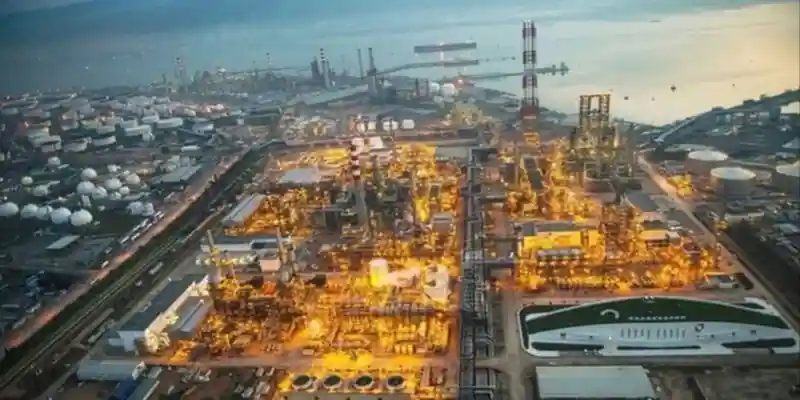

Namrup ammonia urea project moved into the execution phase today as Prime Minister Shri Narendra Modi laid the foundation stone of the new brownfield fertilizer plant at Namrup in Dibrugarh district, Assam. The project will come up within the existing premises of Brahmaputra Valley Fertilizer Corporation Limited (BVFCL).
The project marks a major step toward strengthening fertilizer availability in the North East. At the same time, it supports India’s goal of achieving self-reliance in urea production.
Namrup Ammonia Urea Project Capacity and Investment
The Namrup ammonia urea project involves an estimated investment of over ₹10,600 crore. Once operational, the plant will produce more than 12 lakh metric tonnes of urea annually.
As a result, fertilizer supply will improve across Assam and neighbouring states, including Bihar, Jharkhand, West Bengal, and eastern Uttar Pradesh. Moreover, local production will reduce logistics costs and speed up deliveries to farmers.
Reviving Namrup as a Fertilizer Manufacturing Hub
Historically, Namrup played a vital role in supplying fertilizers to the North East. However, outdated technology reduced output over time. Now, the new Namrup ammonia urea project aims to modernize the complex and restore its strategic importance.
In addition, the project aligns with similar fertilizer revivals at Gorakhpur, Sindri, Barauni, and Ramagundam. Together, these plants strengthen domestic urea capacity.
Employment Generation and Regional Growth
The Namrup plant will create thousands of direct and indirect jobs. Besides permanent roles, it will generate work in logistics, maintenance, and allied services. Consequently, local youth and small businesses will benefit.
Furthermore, increased fertilizer availability will support farmers and stabilize agricultural output in the region.
Supporting Farmers and Reducing Import Dependence
The Namrup ammonia urea projects will help cut India’s reliance on imported urea. At the same time, the government will continue to protect farmers from price volatility through subsidies.
Overall, the project stands as a cornerstone of industrial revival in Assam. It will strengthen fertilizer security, support farmers, and drive regional economic growth.