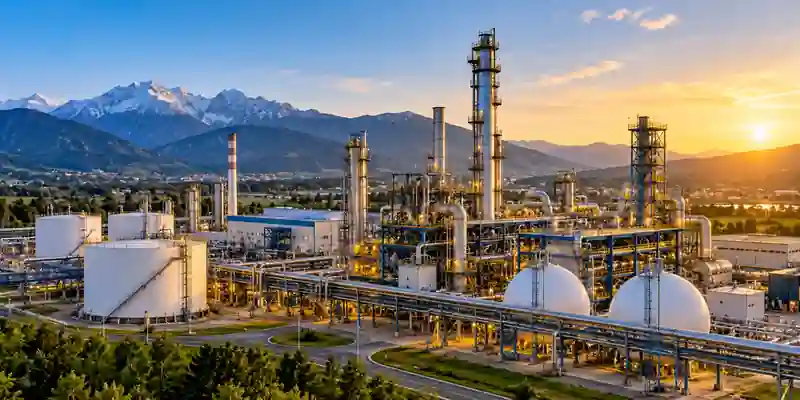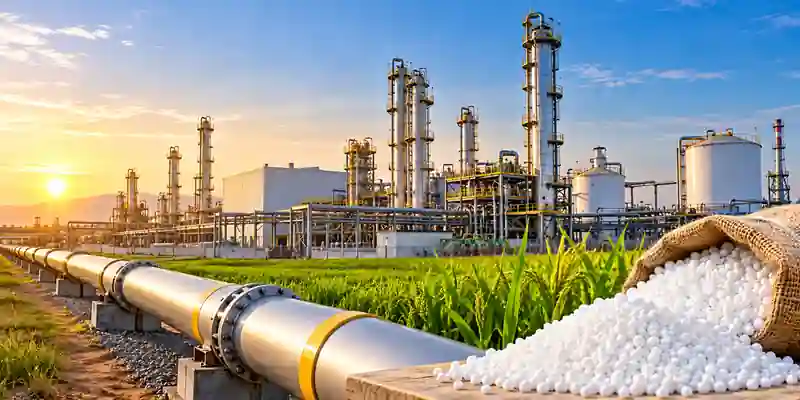
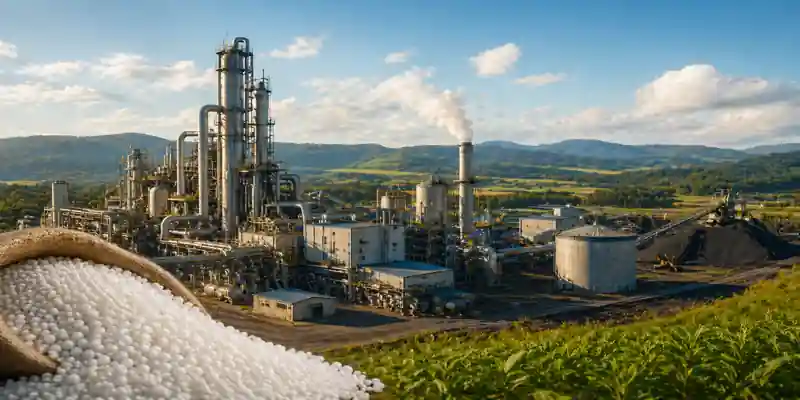
New Zealand urea project is gaining attention as an Australian firm plans a massive $3 billion fertilizer plant in Southland. The project aims to convert lignite into urea and reduce the country’s reliance on imports.
Victorian Hydrogen has proposed the facility near Invercargill. The plant will produce 1.5 million tonnes of urea annually. This output is significantly higher than New Zealand’s current domestic production.
The New Zealand urea project focuses on long-term self-sufficiency. Currently, the country imports about 500,000 tonnes of urea each year. Local production stands at around 265,000 tonnes, but declining gas supply threatens future output.
The company plans to use lignite gasification technology. This process converts lignite into syngas, then hydrogen, and finally ammonia. Ammonia reacts with captured carbon dioxide to produce urea. The technology is already proven globally.
Environmental management is also a key focus. The project will explore ways to use carbon dioxide for algae-based cattle feed and other products. Land mining will occur in small sections, with progressive rehabilitation.
Experts say the project could transform the regional economy. It may create jobs and boost Southland’s GDP. Local supply will also reduce dependence on global markets and shipping disruptions.
However, the fertilizer market remains under pressure. Rising nitrogen prices and weak affordability continue to impact farmers globally. Even if supply improves, recovery may take time.
The project is still at an early stage. Detailed studies and approvals are pending. If successful, it could reshape New Zealand’s fertilizer sector for decades.