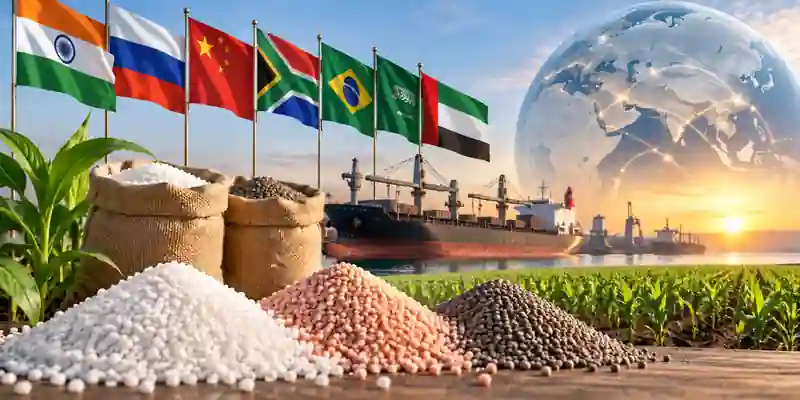

India fertiliser subsidy bill may cross Rs 3 lakh crore in the current financial year if disruptions caused by the ongoing West Asia crisis continue for a prolonged period, according to a senior government official.
The Union Budget for FY2026-27 has allocated around Rs 1.71 lakh crore for fertiliser subsidies. However, the subsidy burden is expected to increase sharply due to the surge in global prices of urea, Di-Ammonium Phosphate (DAP), and other key fertiliser nutrients.
The warning comes at a time when international fertiliser markets are witnessing significant volatility because of geopolitical tensions, supply chain disruptions, and rising energy costs.
Global Fertiliser Prices Continue to Rise
The prices of major fertiliser inputs, including ammonia, sulphur, phosphoric acid, and natural gas, have increased substantially in recent months. Industry experts believe the prolonged West Asia conflict could further tighten global supplies and push fertiliser prices even higher.
India imports a large portion of its fertiliser raw materials and finished products, making the country vulnerable to international market fluctuations.
A sharp increase in global fertiliser prices directly impacts the government’s subsidy expenditure, as the Centre continues to provide fertilisers to farmers at controlled rates.
Subsidy Burden Could Rise Sharply
Government officials indicated that the India Fertiliser Subsidy bill could exceed Rs 3 lakh crore if current market conditions persist. The subsidy requirement may increase significantly during the upcoming agricultural seasons due to higher import costs.
India has traditionally provided substantial fertiliser subsidies to support farmers and maintain affordable nutrient prices for agriculture. However, rising international prices are putting additional pressure on government finances.
DAP and Urea Prices Under Pressure
Global prices of DAP and urea have witnessed a steep rise amid tightening supply conditions. Several fertiliser companies in India have already revised product prices due to escalating raw material costs.
The situation is being closely monitored by policymakers as fertiliser availability and pricing remain critical for the agriculture sector and food security.
According to officials, the government is exploring measures to ensure adequate fertiliser supply while managing the rising subsidy burden effectively.