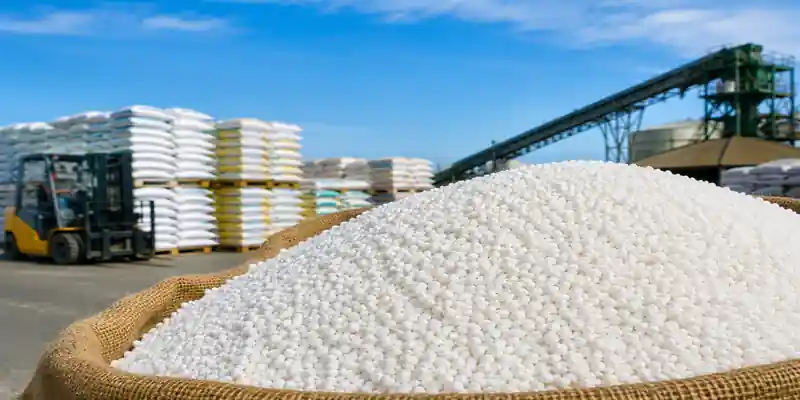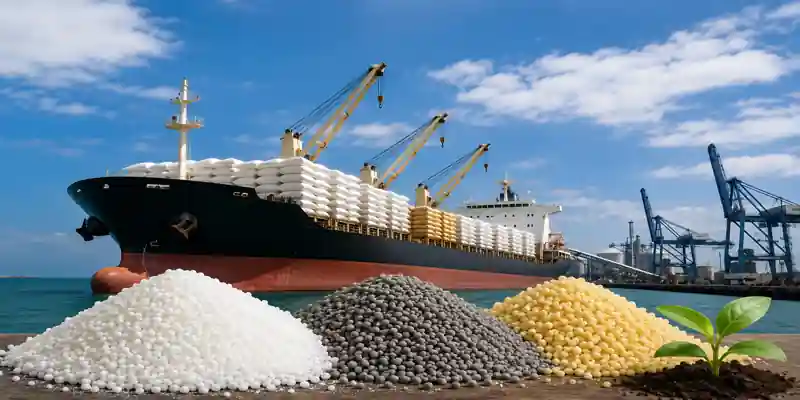

The MP Fertilizer E-Token has been suspended after the state government assured farmers that it would increase procurement of the summer moong crop to 60%, up from the existing 25% limit. Following the announcement, protesting farmers called off their demonstration in Bhopal, bringing temporary relief to the state’s agricultural sector.
The protest has also exposed concerns over fertilizer distribution policies and procurement mechanisms, with experts urging both the Centre and the state government to address implementation gaps.
Centre Questions Low Moong Procurement
Union Agriculture Minister Shivraj Singh Chouhan wrote to Madhya Pradesh Chief Minister Mohan Yadav on July 29, highlighting that the Centre had already approved procurement of up to 4.55 lakh tonnes of summer moong under the Price Support Scheme (PSS).
According to Chouhan, this allocation represents nearly 87% of the total summer moong procurement approved across India under the PM-AASHA scheme. However, Madhya Pradesh has procured only 60,000 tonnes so far.
He also noted that under PM-AASHA guidelines, procurement at the Minimum Support Price (MSP) is generally limited to 25% of total production, while any procurement beyond that level becomes the responsibility of the respective state government.
PM-AASHA Procurement Agencies
Agriculture experts believe that procurement delays are linked to operational challenges rather than policy alone.
Under the PM-AASHA scheme, procurement of pulses and oilseeds at MSP is carried out by designated central agencies, including:
- National Agricultural Cooperative Marketing Federation of India (NAFED)
- National Cooperative Consumers’ Federation of India (NCCF)
A former agriculture secretary of Madhya Pradesh suggested that if procurement delays continue, the Centre should authorize state agencies independently and hold them accountable for procurement performance.
Madhya Pradesh Remains India’s Largest Moong Producer
Madhya Pradesh accounts for more than 40% of India’s total moong production.
During 2025-26, India produced 44.92 lakh tonnes of moong, of which 18.39 lakh tonnes came from Madhya Pradesh. Nearly 18.18 lakh tonnes were harvested during the summer (Zaid) season.
If the state implements its commitment to procure 60% of the summer crop, procurement could reach nearly 11 lakh tonnes, significantly benefiting farmers.
Fertilizer E-Token System Suspended
The suspension of the Madhya Pradesh fertilizer e-token system has become one of the biggest outcomes of the farmers’ protest.
The e-token platform was introduced to:
- Prevent black marketing of fertilizers
- Reduce long queues at cooperative outlets
- Improve transparency in fertilizer distribution
- Match fertilizer supply with actual demand
Under the system, farmers were required to register using Aadhaar or other approved identification, submit land records, and book time slots to collect subsidized fertilizers such as urea and DAP.
Farmers Opposed Restrictions on Fertilizer Purchases
Farmer leader Kedar Sirohi, who participated in the protest, said farmers objected to the system because it restricted their fertilizer choices.
According to him, farmers seeking DAP were often offered Single Super Phosphate (SSP) instead, while those requiring urea were encouraged or compelled to purchase additional fertilizers in the name of balanced nutrient management.
Farmers argued that crop nutrition decisions should remain with cultivators rather than being controlled through the distribution system.
Government Forms Committee to Review System
State Agriculture Minister Aidal Singh Kansana announced that a committee will examine complaints and practical difficulties related to the fertilizer e-token mechanism.
The committee will recommend improvements before any decision is taken on reintroducing the system. Until then, the Madhya Pradesh fertilizer e-token system will remain suspended.
Industry Divided Over Suspension
The fertilizer industry has expressed mixed views on the government’s decision.
Some micronutrient manufacturers supported the suspension, while senior officials from leading fertilizer companies stated that the e-token mechanism was not functioning effectively and welcomed its temporary withdrawal.
Outlook
The suspension of the MP Fertilizer E-Token system and the enhanced procurement commitment have eased immediate tensions between the Madhya Pradesh government and farmers. However, the episode highlights the need for better coordination between the Centre, state authorities, procurement agencies, and fertilizer distribution networks.
Going forward, the recommendations of the review committee and the state’s ability to procure larger quantities of summer moong will play a crucial role in restoring farmer confidence and ensuring timely availability of subsidized fertilizers across Madhya Pradesh.