
Bangladesh urea plants are facing a severe production crisis as gas shortages force multiple fertilizer factories to suspend operations. The Bangladesh urea plants shutdowns have left only one state-owned factory operational, raising concerns over fertilizer availability ahead of the country’s crucial boro rice cultivation season.
The latest disruption follows a technical failure at a Floating Storage and Regasification Unit (FSRU), which reduced natural gas supply by 450 million cubic feet per day (MMcfd). The shortage has severely impacted fertilizer production and may increase Bangladesh’s dependence on imported fertilizers during the upcoming winter cropping season.
Bangladesh Urea Plants Reduced to One Operating Factory
Bangladesh operates seven state-owned fertilizer factories, including:
- Five urea fertilizer plants
- One Triple Superphosphate (TSP) plant
- One Diammonium Phosphate (DAP) plant
Of the five urea plants, only the Ghorashal Polash Fertilizer Company Limited (GPFCL) remains operational. The plant is producing about 2,800 tonnes per day, or nearly 96% of its installed capacity.
The latest shutdown affects the Shahjalal Fertilizer Company Limited (SFCL) in Sylhet, which had resumed production only recently before the gas shortage forced another closure.
Gas Crisis Disrupts Bangladesh Urea Plants
According to Petrobangla, fertilizer plants received only a fraction of their required gas supply.
Recent gas allocation included:
- GPFCL: 65.3 MMcfd received against a requirement of 72 MMcfd
- Jamuna Fertilizer Company Limited: 2.3 MMcfd against 45 MMcfd
- Chattogram Urea Fertilizer Company Limited: 2.3 MMcfd against 52 MMcfd
- Shahjalal Fertilizer Company Limited: 4.9 MMcfd against 45 MMcfd
- Ashuganj Fertilizer and Chemical Company Limited: No gas supplied against a demand of 52 MMcfd
As a result, Jamuna Fertilizer Company Limited, Chattogram Urea Fertilizer Company Limited, Shahjalal Fertilizer Company Limited, and Ashuganj Fertilizer and Chemical Company Limited remain out of operation.
Middle East Conflict Adds Pressure
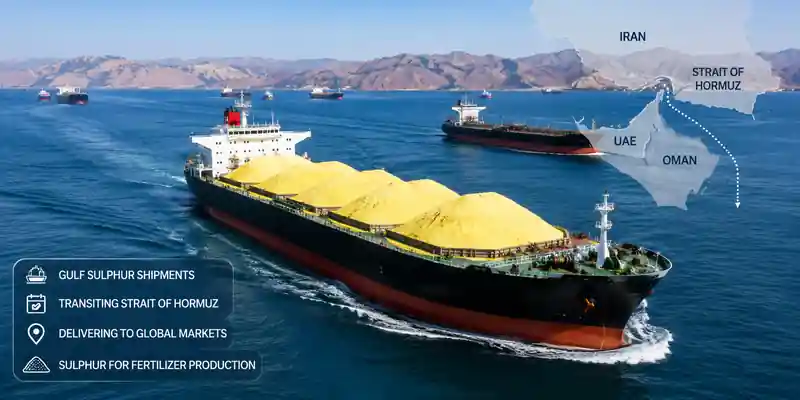
The fertilizer sector is also facing disruptions caused by the ongoing Middle East conflict.
Officials said the conflict has delayed imports of raw materials from overseas suppliers, including China. The shipment of 5.60 lakh tonnes of urea from Saudi Arabia has also been delayed, affecting Bangladesh’s fertilizer procurement plans.
Under a government-to-government agreement, Bangladesh is importing 12 lakh tonnes of urea from Saudi Arabia. So far, 6.40 lakh tonnes have arrived.
Raw Material Shortages Shut TSP and DAP Plants
Bangladesh’s non-urea fertilizer production has also suffered.
The country’s only Triple Superphosphate (TSP) Complex Limited and the DAP Fertilizer Company Limited in Chattogram have remained closed since late June because they could not secure sufficient raw materials.
Officials reported difficulties in procuring:
- Sulphur
- Rock phosphate
- Phosphoric acid
Several international tenders reportedly failed to attract suppliers.
Bangladesh Urea Plants Produce Below Demand
Bangladesh’s five urea fertilizer plants have a combined annual production capacity of 29.76 lakh tonnes.
However, during FY 2024-25, domestic production reached only 11.06 lakh tonnes, while the country imported 44.78 lakh tonnes of fertilizers.
Annual fertilizer demand includes:
- Urea: Around 26 lakh tonnes
- Total fertilizer demand: More than 60 lakh tonnes
For the 2026-27 fiscal year, the Agriculture Ministry has projected demand of:
- 26.20 lakh tonnes of urea
- 7.50 lakh tonnes of TSP
- 14.85 lakh tonnes of DAP
- 9.50 lakh tonnes of Muriate of Potash (MOP)
Fertilizer Stocks Below Safe Reserve Levels
As of July 23, Bangladesh had the following fertilizer stocks:
| Fertilizer | Stock |
|---|---|
| Urea | 6.204 lakh tonnes |
| TSP | 3.521 lakh tonnes |
| DAP | 4.216 lakh tonnes |
| MOP | 2.53 lakh tonnes |
Government safety reserve levels are:
- TSP: 4 lakh tonnes
- DAP: 5 lakh tonnes
- MOP: 3 lakh tonnes
Current inventories of TSP, DAP and MOP remain below these target levels.
Government Says Monsoon Demand Can Be Met
For August, Bangladesh allocated:
- 2.794 lakh tonnes of urea
- 68,700 tonnes of TSP
- 88,700 tonnes of DAP
- 77,600 tonnes of MOP
Agriculture Ministry officials said these quantities are sufficient to meet fertilizer demand during the current monsoon cultivation season.
However, continued gas shortages and delays in raw material imports could create supply challenges before the boro season, when fertilizer demand rises sharply.
Outlook for Bangladesh Urea Plants
Bangladesh‘s fertilizer industry faces mounting pressure from reduced natural gas supplies, delayed imports, and raw material shortages. With only one urea fertilizer plant currently operating and phosphate fertilizer plants remaining idle, the country may have to rely more heavily on imports to ensure adequate fertilizer availability for the upcoming boro cultivation season. Early restoration of gas supplies and uninterrupted imports will be critical to maintaining food production and agricultural stability.