Anhydrous Ammonia Fertilizer Approved in India for Agricultural Use
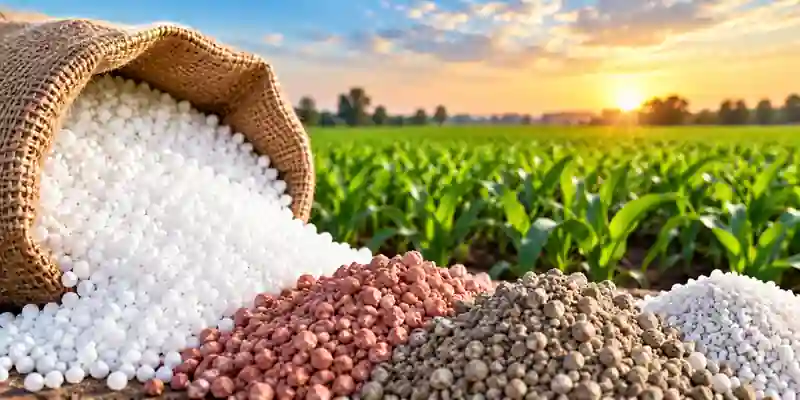
India has taken a significant step toward modernizing its fertilizer sector by allowing the use of Anhydrous Ammonia Fertilizer for agricultural purposes. The approval could reduce dependence on conventional urea and support the future adoption of green ammonia-based fertilizers.
The Union Ministry of Agriculture issued a notification on July 23, permitting the manufacture of Anhydrous Ammonia containing a minimum of 82% nitrogen by weight for a period of three years under the Fertiliser (Control) Order, 1985.
High Nitrogen Content Offers Potential
Unlike conventional urea, which contains 46% nitrogen, Anhydrous Ammonia Fertilizer contains 82% nitrogen. The higher nitrogen concentration makes it an efficient nutrient source for crops.
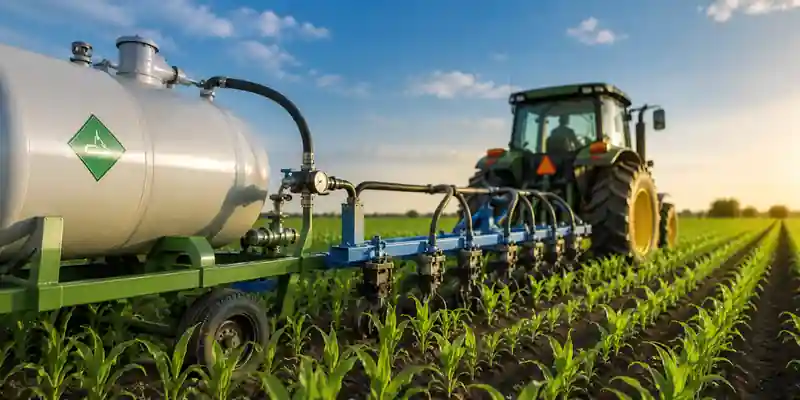
However, the fertilizer cannot be broadcast like urea. Farmers must inject the gas directly into the soil using specialized equipment to prevent nitrogen loss and reduce the risk of ammonia leakage.
Infrastructure Remains the Biggest Challenge
Industry experts believe that regulatory approval is only the first step. The major challenge will be creating an infrastructure network for storage, transportation, and field application.
Specialized injection machinery, trained operators, and strict safety standards will be required before large-scale adoption becomes possible.
India Could Join Three Major Markets
If the technology succeeds, India could become the fourth country after the United States, Canada, and Australia to use anhydrous ammonia directly in agriculture.
Experts say successful implementation could improve nitrogen-use efficiency while reducing dependence on conventional urea.
Surplus Ammonia Can Be Utilized
Industry sources estimate that many domestic urea plants generate 2,000–6,000 tonnes of surplus ammonia annually. Production constraints often prevent this ammonia from being converted into urea.
The approval of Anhydrous Ammonia Fertilizer may create an additional market for this surplus product, although the government currently prioritizes its supply to complex fertilizer manufacturers.
Green Ammonia Trials Continue
Field trials supported by the Indian Council of Agricultural Research (ICAR) have evaluated green ammonia as an alternative nitrogen fertilizer.
Early results from direct-seeded rice showed improved biomass and greener crop growth in some plots. Researchers also observed uneven crop development where ammonia application was inconsistent, highlighting the need for standardized injection techniques.
Scientists recommend further testing in transplanted rice and maize before commercial deployment.
Green Urea Plans Gain Momentum
The approval comes as India accelerates efforts to develop a green fertilizer ecosystem. The Department of Fertilizers recently held a pre-Expression of Interest (EOI) meeting for establishing Green Urea Plants across the country.
A 150 TPD Green Urea demonstration plant at Pudimadaka, Andhra Pradesh, will be developed by NETRA, the R&D arm of NTPC. The project will integrate carbon capture and utilization (CCUS) with water electrolysis to produce low-carbon urea.
Industry estimates suggest that a 1,200 TPD green ammonia plant would require an investment of ₹13,000–15,000 crore.
Outlook
The approval of Anhydrous Ammonia Fertilizer marks an important policy shift for India’s fertilizer sector. While significant investments in infrastructure and safety systems are still required, the move supports the country’s long-term strategy to improve nitrogen efficiency, encourage green ammonia production, reduce urea imports, and strengthen fertilizer self-reliance.