Four years after Sri Lanka abruptly banned chemical fertiliser—a move that triggered nationwide protests, slashed harvests, and worsened the country’s financial collapse—farmers say the damage still lingers.
K.K.G. Thilakabandara, a long-time rice grower, clearly remembers the shock of the April 2021 ban.
“The ban came without consultation or time for us to prepare,” he said while sitting on the veranda of his home in eastern Sri Lanka, one of the island’s major rice-producing regions. “Farmers couldn’t get a proper harvest using only organic inputs, and many became desperate.”
Thilakabandara also serves as chairman of the country’s largest rice farming association.
Although the government reversed the ban within seven months, fertiliser remained scarce for a long period. Today it is widely available but costs nearly three times more than before, according to official data and interviews with 11 farmers. Rising prices of rice paddy seedlings and labour have increased pressure, pushing many farmers into debt as they struggle to recover.
Rice is Sri Lanka’s largest crop and the staple food for its 22 million people.
Most farmers earn around 100,000 rupees (US$326) as profit from a single four-month cultivation cycle, said 73-year-old farmer A.G. Jayasinghe. “That is too little. Many have now become part-time farmers,” he said.
A Costly Reversal
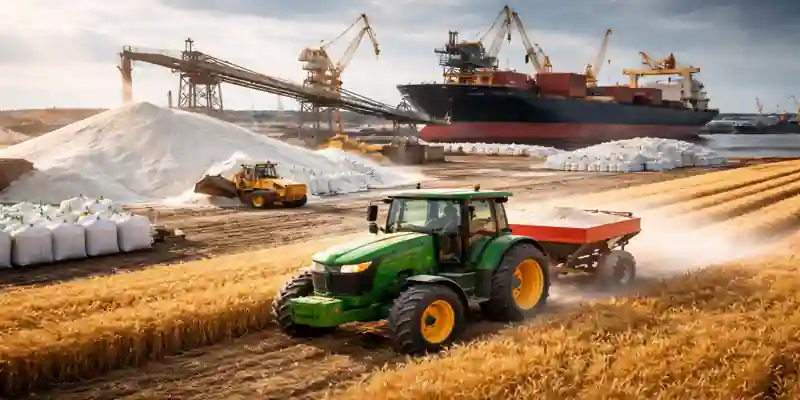
The government is now trying to stabilise food supplies and expand rice cultivation. Official data show plans to increase rice-growing land to more than 800,000 hectares this season, up from 770,240 hectares in 2021. The country has also returned almost entirely to inorganic farming.
Sri Lankan farmers now apply 250–300 kg of fertiliser per hectare, significantly higher than the average 157 kg used in some other South Asian countries, according to the World Bank.
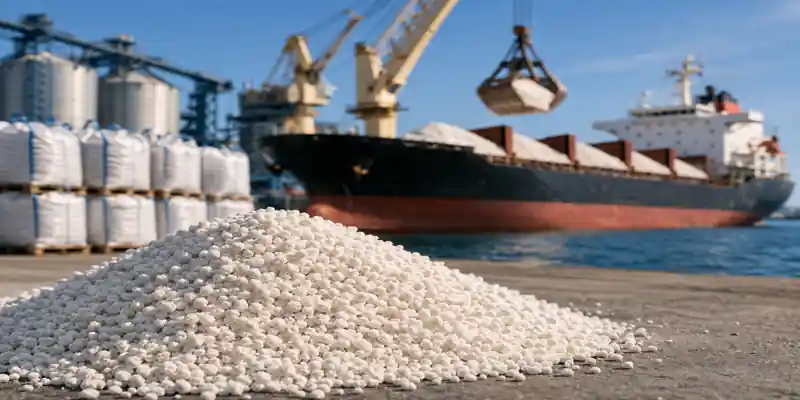
Chemical fertiliser purchases surged 73% in the first nine months of 2025, reaching 727,000 metric tons, well above the pre-ban annual level of 532,000 tons.
But this shift back to chemical inputs has been expensive: the government spent about US$202 million on fertiliser imports this year, more than 60% higher than last year.
The ban also devastated the country’s organic fertiliser startups. Over 100 companies invested a combined US$83 million during the organic-farming push, but only eight remain. One of them, S.A.S. Plantations, saw production of its fish-based liquid fertiliser fall from 300,000 bottles per season to about 20,000.
Production Still Not Fully Recovered
Sri Lanka consumes about 3 million metric tons of rice each year. It expects to produce 2.8 million tons in the season ending in February, slightly higher than last season’s 2.74 million tons.
But output still remains below pre-ban levels of 3 million tons, reflecting the long-term impact of the 2021 fertiliser ban imposed by then-president Gotabaya Rajapaksa.
Rajapaksa’s move was meant to make Sri Lanka the world’s first fully organic farming nation. Instead, rice harvests collapsed, food inflation soared, and the country was pushed deeper into its worst economic crisis in more than 70 years. Public anger eventually escalated into a nationwide uprising that forced Rajapaksa from office.
During the peak of the crisis in 2022, Sri Lanka imported 783,420 tons of rice, mostly from India, worth US$292.5 million—its first large-scale imports in decades.
Imports have dropped since then but are rising again. Poor weather has cut yields, pushing rice imports to 167,000 tons in the first 10 months of 2025, compared with just 29,606 tons in 2023.
“The switch to organic fertiliser was a huge mistake,” Jayasinghe said. “Even now, our income is barely enough to live on.” Standing beside a group of farmers watching a tractor plough his field, he added: “We continue farming more out of habit than profit.”