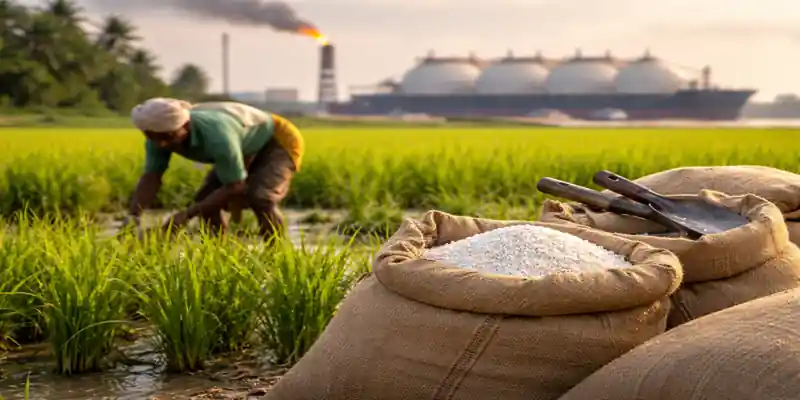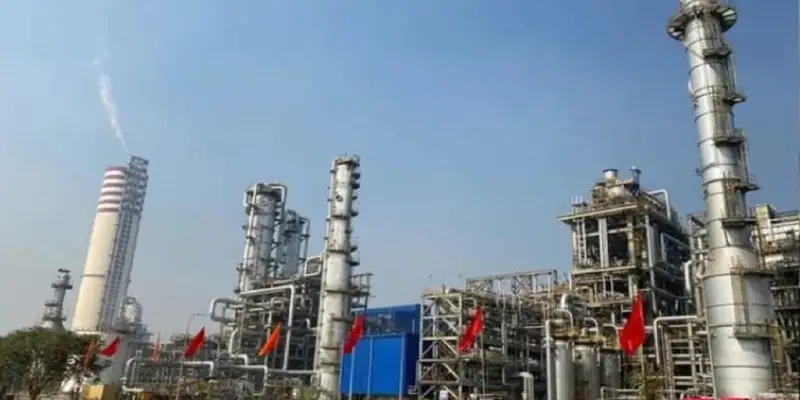

Sulphur Supply Risk is emerging as a major concern for India’s fertiliser industry amid rising tensions between the United States and Iran. Industry bodies have warned that disruptions in the Middle East could affect the import of sulphur and sulphuric acid — key raw materials used in DAP and SSP production.
The situation comes at a critical time, just ahead of India’s kharif sowing season beginning in June.
Shipping Costs Rise as Conflict Escalates
Shipping companies have started imposing emergency conflict surcharges on cargo routes passing through the Middle East. French container major CMA CGM is reportedly charging between USD 2,000 and USD 4,000 per container.
If tensions continue, insurers may also raise war-risk premiums. Higher freight and insurance charges will directly increase the landed cost of fertiliser raw materials.
India’s Heavy Dependence on Middle East for Sulphur
India imports a large portion of its sulphur requirement from Middle Eastern countries. Qatar, the UAE and Oman together account for nearly 76% of India’s sulphur imports.
According to Rajib Chakraborty, President of the Soluble Fertilizer Industry Association (SFIA), exports to the Middle East are currently on hold. He also warned that port closures could lead to congestion and container shortages.
If the conflict prolongs, Sulphur Supply Risk may intensify and disrupt production planning.
Impact on DAP and SSP Production
Sulphur is processed into sulphuric acid, which is further used to manufacture phosphoric acid. Phosphoric acid is a key input in producing DAP (Di-Ammonium Phosphate).
Any shortage of sulphur can:
Increase DAP production costs
Impact SSP manufacturing
Delay dispatches before the kharif season
Raise working capital requirements
India already relies heavily on imported raw materials for phosphatic fertilisers. Therefore, supply disruption could tighten availability in domestic markets.
Rising Crude Oil Prices Add Pressure
The geopolitical tensions have also pushed crude oil prices higher. Rising energy prices increase freight rates and processing costs.
Higher crude prices may lead to:
Increased ocean freight
Costlier raw material imports
Currency volatility affecting import bills
This adds further pressure on fertiliser companies preparing for peak seasonal demand.
Industry Monitoring Situation Closely
So far, there has been no immediate disruption in sulphur shipments. However, industry officials are closely watching:
Red Sea shipping routes
Insurance premium trends
Port congestion levels
Container availability
If the situation stabilises quickly, the impact may remain limited. But a prolonged conflict could significantly raise input costs for India’s fertiliser sector.
Outlook for Kharif Season
With kharif sowing approaching, fertiliser availability remains a priority. Any sustained Sulphur Supply Risk could affect DAP and SSP supplies across key agricultural states.
Industry bodies have urged close monitoring of logistics and global trade routes to prevent supply shocks during the peak demand period.