
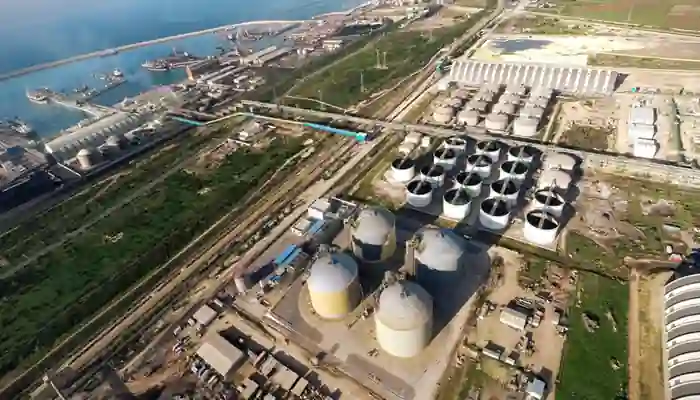
OCP tMAP production restart is drawing strong attention as global water-soluble fertilizer markets continue to face supply constraints. The OCP tMAP production restart, scheduled for the end of January, is expected to restore availability of technical-grade monoammonium phosphate at a critical time for agricultural supply chains.
The resumption of tMAP output highlights the growing importance of water-soluble fertilizers in modern agriculture. These products often remain out of public view until disruptions expose their strategic role in global food production systems.
Why tMAP Matters in Modern Agriculture
Technical-grade monoammonium phosphate (tMAP) is a high-analysis, water-soluble fertilizer containing 12% nitrogen and 61% phosphorus (P₂O₅). This concentrated formulation delivers readily available phosphorus during key crop growth stages, including root development and flowering.
Unlike granular phosphate fertilizers, tMAP dissolves completely in water. This property allows precise nutrient delivery through fertigation, foliar application, and controlled irrigation systems.
tMAP is widely used in:
Greenhouse and protected cultivation
Specialty and high-value crops
Hydroponic and soilless systems
Precision fertigation programs
Production Complexity Limits Global Supply
Manufacturing tMAP requires advanced chemical processing. Producers must carefully react ammonia with phosphoric acid under controlled conditions, followed by crystallization, purification, and quality testing.
Strict technical specifications and environmental compliance standards limit the number of facilities capable of producing water-soluble grades at scale. As a result, global tMAP supply remains concentrated among a small group of producers.
Planned Maintenance and Production Restart Timeline
Chemical plants follow regular maintenance cycles to ensure safety and efficiency. For phosphate facilities, shutdowns typically last three to five weeks and are scheduled outside peak agricultural seasons.
Restarting production involves phased system checks, safety validation, and gradual ramp-up. In this context, the decision by OCP Group to resume tMAP production by late January aligns with industry norms and supports February shipment availability for key markets.
Global Supply Constraints Remain Tight
Despite the restart, global tMAP availability remains constrained. Chinese export restrictions are expected to continue through mid-2025, limiting one of the world’s largest sources of phosphate fertilizers.
Meanwhile, supply diversification efforts face challenges. Capacity expansions by producers such as PhosAgro could add volumes, but geopolitical and trade restrictions restrict access to several markets.
This supply concentration increases price sensitivity and exposes buyers to production disruptions at major facilities.
Market Impact of the OCP Restart
The OCP tMAP production restart is expected to ease short-term supply pressure and improve shipment reliability ahead of peak spring demand. February deliveries are critical for distributors and growers preparing for early-season planting and greenhouse production cycles.
While prices may stabilize, market participants remain cautious due to limited alternative supply sources and ongoing geopolitical and regulatory risks.