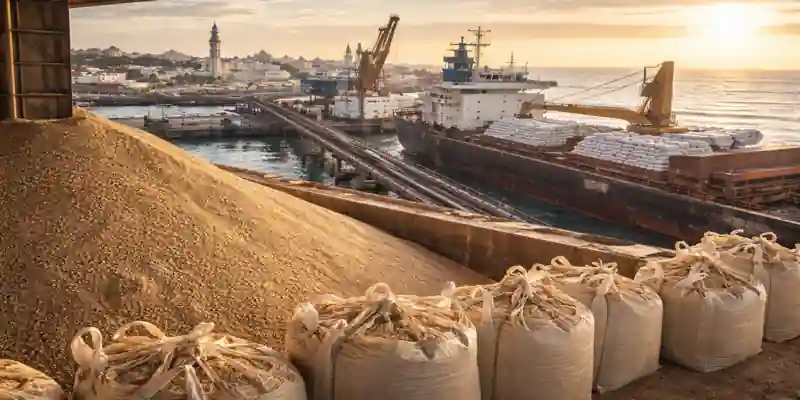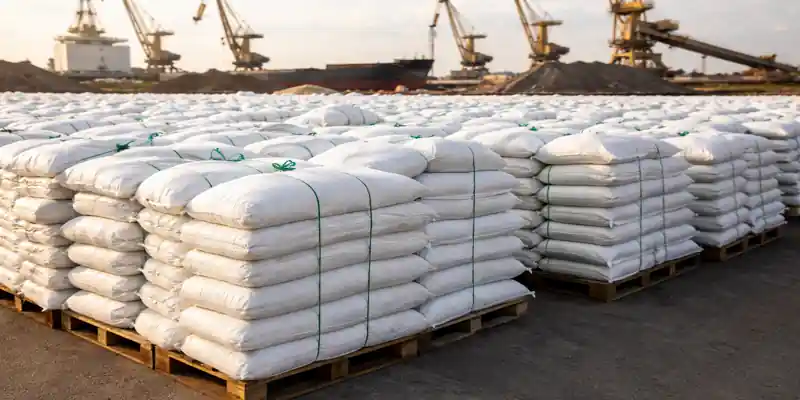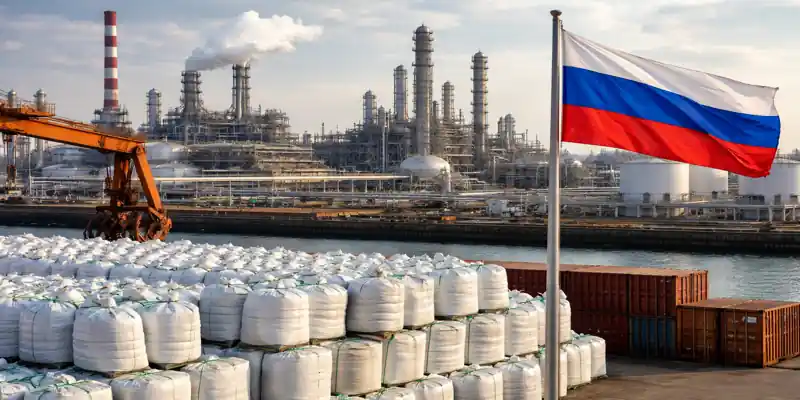

The Russia Indonesia Fertilizer Supply partnership is moving forward as both countries signal interest in expanding trade in mineral fertilizers for Indonesian farmers. Russia has expressed readiness to increase shipments of nitrogen, phosphate, and potash-based fertilizers, while Indonesia is looking for stable, affordable input supply to support national food production.
Indonesia, a major food and plantation crop producer, continues to rely on imported fertilizers to maintain yields across commodities such as rice, palm oil, cocoa, and rubber. With rising global fertilizer prices and supply disruptions seen in recent years, enhanced supply from Russia could support agricultural cost stability for millions of hectares of farmland. This makes the Russian Indonesia Fertilizer Supply channel strategically important for food security.
Benefits of the Russia Indonesia Fertilizer Supply Expansion
Strengthens national fertilizer availability
Reduces reliance on volatile global suppliers
Supports food security goals and farmland productivity
Helps farmers manage input costs more efficiently
Opens long-term trade routes for agricultural growth
By expanding fertilizer import volumes, Indonesia can maintain yield consistency and reduce seasonal shortages. Russia benefits as well, improving export trade flow and building deeper Asia-Pacific market presence.
Russia Indonesia Fertilizer Supply in BRICS Trade Framework
Both nations also discussed strengthening cooperation within the BRICS multilateral framework, signalling alignment in industrial development, innovation, and commodity exchange. Additionally, preparations are underway for Indonesia to participate as a partner nation at the upcoming INNOPROM industrial exhibition, further widening collaboration opportunities beyond agriculture.
If cooperation progresses as expected, the Russian Indonesia Fertilizer Supply agreement could reshape regional fertilizer trade distribution, improve farmer access to mineral nutrients, and boost plantation-sector stability.