
The possibility of a peace framework between Russia and Ukraine briefly gained momentum this week, raising questions about the Russia-Ukraine Peace Impact on global commodities. Although negotiations look uncertain again, geopolitical analysts believe talks may resume and could reshape agricultural and energy markets worldwide.
A Look at the U.S.-Backed Peace Proposal
The United States drafted a 28-point peace framework, seeking a non-aggression pact involving Russia, Ukraine and European countries. The proposal includes:
A U.S.-backed security guarantee for Ukraine
A troop-limit of around 600,000 personnel
Ukraine recognizing Russian control over Crimea and parts of the east
A ban on NATO membership or stationing NATO forces in Ukraine
Economic rebuilding through reparations and recovery programs
After strong objections from Ukraine and European partners, revisions softened territorial clauses during Geneva talks. Leaders insist any settlement must protect Ukrainian sovereignty. Putin said the U.S. proposal could serve as a negotiation base, but Kyiv wants guarantees that peace won’t reward invasion.
Russia-Ukraine Peace Impact on Agriculture & Grain
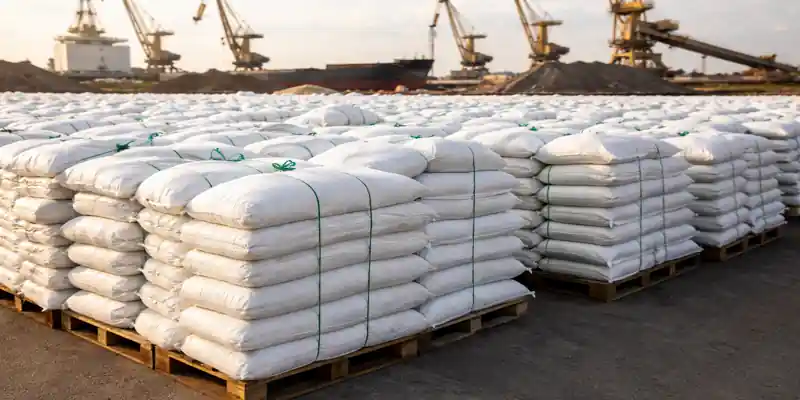
A settlement could open export channels in the Black Sea, increasing wheat and corn supplies. That means bearish pressure on grain prices, especially after years of market volatility. Ukraine may eventually export 5 million tonnes more grain, though recovery will take time due to land loss and damaged ports.
Russia-Ukraine Peace Impact on Oil
Peace could bring downward pressure on crude oil, as geopolitical risk premiums fade. Reduced sanctions uncertainty, safer shipping routes and stable Russian output could push crude below $50/barrel in early 2026, providing farmers a chance to book cheaper diesel.
Russia-Ukraine Peace Impact on Fertilizers
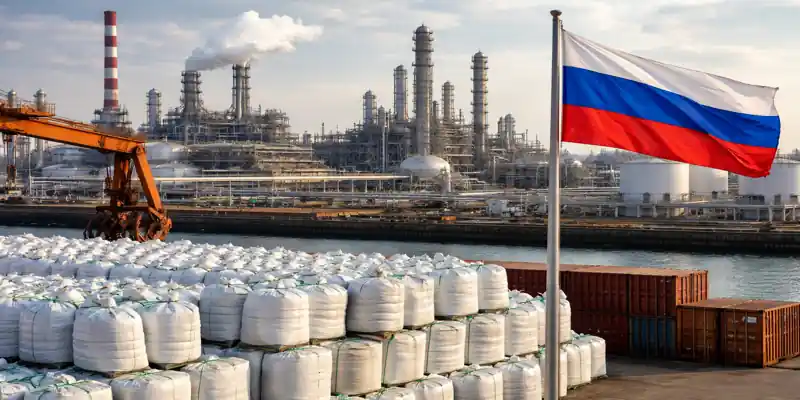
Russia is a leading exporter of nitrogen, potash and phosphates. A peace deal would:
Ease supply chain risk
Lower fertilizer and natural gas volatility
Increase ammonia flow and port security
Potentially return European plants to full capacity
Prices may cool gradually, with a major correction more likely into 2027, as production normalizes and logistics improve.