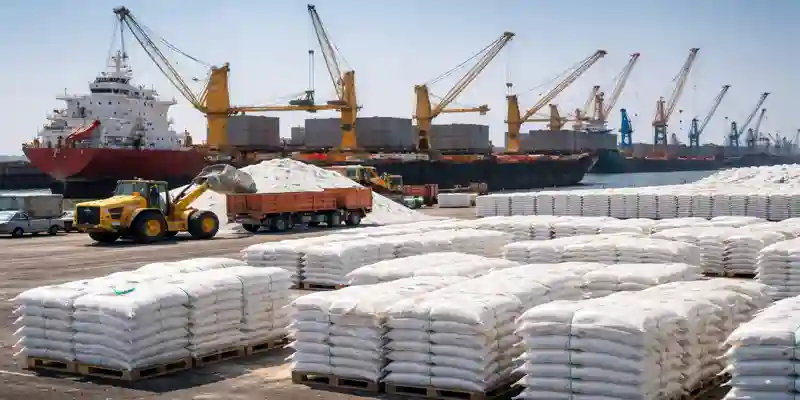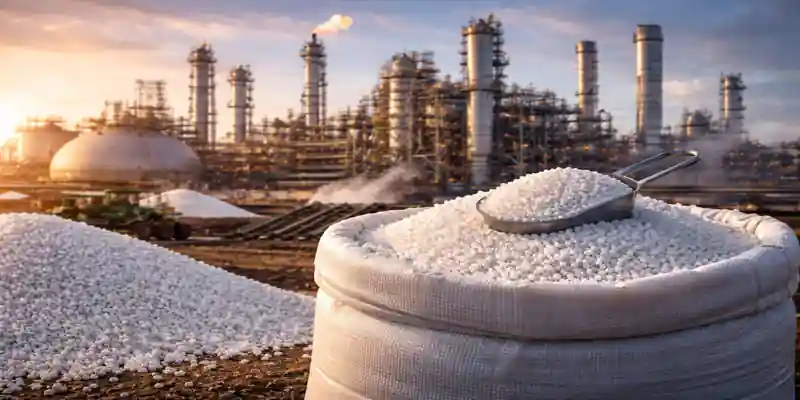
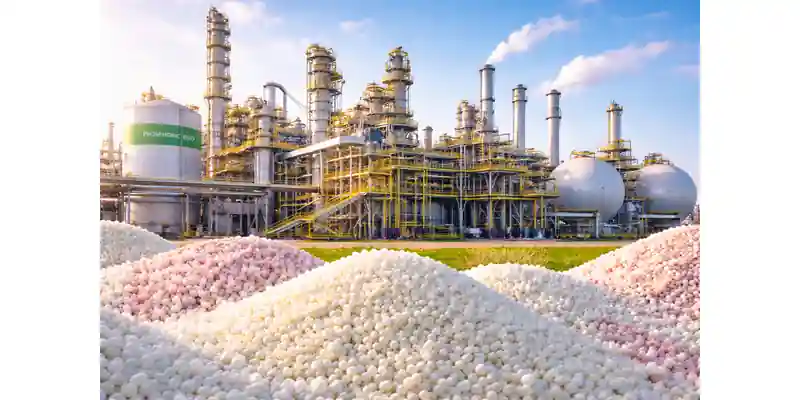
Complex Fertiliser Capacity in India is expected to increase by about 25% over the next three fiscal years, according to Crisil Ratings. The Complex Fertiliser Capacity expansion will help producers meet rising demand and reduce the country’s dependence on imports.
India’s complex fertiliser manufacturing capacity may rise to nearly 20 million tonnes by fiscal 2029. Current capacity stands at around 16 million tonnes. Producers are expanding capacity after nearly seven years of minimal additions.
Capacity utilisation reached about 95% in the current fiscal year. Limited expansion in recent years pushed utilisation higher. Only about 0.5 million tonnes of new capacity was added during the past seven years despite steady growth in fertiliser demand.
Crisil Ratings said strong demand and supply constraints supported high utilisation levels. The upcoming capacity additions may help stabilise the domestic supply situation.
Import dependence for complex fertilisers may remain around 30–32% by fiscal 2029. Without new investments, import dependence could have increased by 10–11 percentage points, Crisil said.
Complex fertilisers account for nearly one-third of India’s total fertiliser consumption. Imports continue to meet about one-third of domestic demand, mainly in diammonium phosphate (DAP). In contrast, nitrogen-phosphorous-potassium (NPK) fertilisers are largely produced within India.
The share of NPK fertilisers has increased in recent years. NPK grades accounted for about 60% of production in fiscal 2025. The average share was about 53% over the previous five years. Producers prioritised NPK production due to better cost economics.
Most planned projects involve brownfield expansions. This reduces execution risks and improves project timelines. High import dependence also lowers offtake risk for new plants.
Manufacturers are investing in sulphuric acid and phosphoric acid facilities. These projects will improve backward integration. Integration levels may rise to about 60% by fiscal 2029 from nearly 50% in fiscal 2025.
Producers may invest ₹120–130 billion over the next three fiscal years. Companies are likely to fund most projects through internal accruals. As a result, leverage may remain stable at around 2.0–2.2 times.
Government subsidy support continues to help fertiliser companies manage working capital efficiently. Crisil expects manufacturers’ credit profiles to remain comfortable in the coming years.