
The Fertiglobe Europe urea market is strengthening as changing fertilizer trade flows and new environmental policies reshape supply dynamics across the region. Abu Dhabi-based Fertiglobe Plc expects growing opportunities in Europe as demand improves and global nitrogen fertilizer supply remains tight.
Fertiglobe is one of the world’s largest nitrogen fertilizer exporters and continues to expand its presence in Europe, which has become a key destination for its urea shipments.
Fertiglobe Europe Urea Market Expansion in the EU
The European Union imposed tariffs on Russian urea imports last year, with rates set to increase gradually over the next three years. Although Russian fertilizers are not fully sanctioned due to global food-security concerns, the tariffs are already redirecting trade flows.
Russian fertilizer volumes are increasingly moving toward the Americas and occasionally India. This shift is opening new opportunities for suppliers like Fertiglobe in Europe.
Fertiglobe sold 1.6 million tons of urea in the EU last year, accounting for about one-quarter of its total production. The company recorded 19% growth in European sales, supported by supplies from its production facilities in Egypt and Algeria as well as third-party trading volumes.
Most of the urea sold in Europe is used as a crop nutrient, while some volumes are supplied as automotive-grade urea (AdBlue) used to reduce nitrogen oxide emissions from diesel engines.
The Fertiglobe Europe urea market continues to strengthen as European buyers diversify supply sources.
CBAM Policy Impact on Fertiglobe Europe Urea Market
The European Union’s Carbon Border Adjustment Mechanism (CBAM) for nitrogen fertilizers, introduced this year, may further support Fertiglobe’s competitiveness in the region.
Because Fertiglobe operates relatively newer and lower-emission production facilities compared with some older European plants, the company expects to benefit from carbon-based import pricing policies.
These environmental regulations are likely to reshape fertilizer sourcing decisions across Europe in the coming years.
Global Demand Supports Urea Market Outlook
Fertiglobe remains optimistic about global urea demand as supply conditions remain tight.
Demand is improving in Europe and the Americas as the fertilizer application season begins. At the same time, low inventories in India are supporting global prices.
China’s continued suspension of nitrogen fertilizer exports to prioritize domestic farmers until at least the second quarter is also tightening global supply. Even when Chinese exports resume, shipment volumes are expected to remain limited.
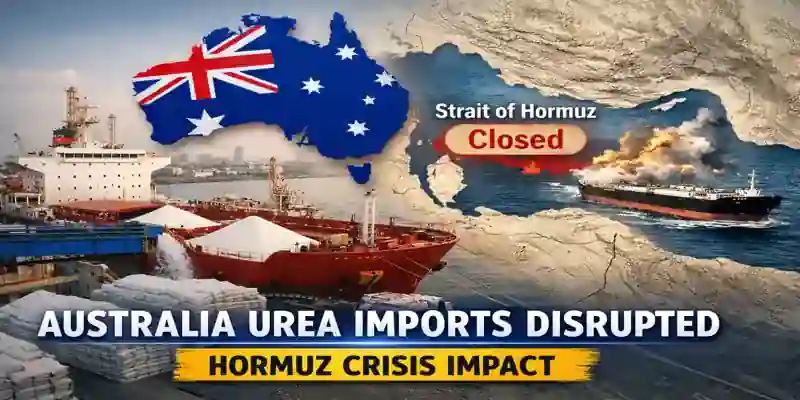
India and Australia remain two important markets for Fertiglobe’s Abu Dhabi production facilities. The company strengthened its position in Australia last year by acquiring fertilizer distribution assets with a capacity of 1.1 million tons per year.
Australia offers attractive fertilizer pricing and a counter-seasonal agricultural cycle compared with the Northern Hemisphere.
Fertiglobe Europe Urea Market Outlook
Overall, the Fertiglobe Europe urea market outlook remains positive due to strong seasonal demand, limited global supply, and shifting fertilizer trade flows away from Russia.
With supportive policies such as CBAM and tighter export availability from China, nitrogen fertilizer producers are expected to benefit from firm urea prices in the near term.