The Nepal government has announced a Chemical Fertilizer Import Allocation of Rs 28.82 billion for the current fiscal year. The budget targets the import of 550,000 metric tons of chemical fertilizers to stabilize domestic supply and support agricultural demand during upcoming cropping seasons. The government expects this financial push to ease fertilizer shortages seen in previous years.
Chemical Fertilizer Import Allocation & Progress in Supply Chain
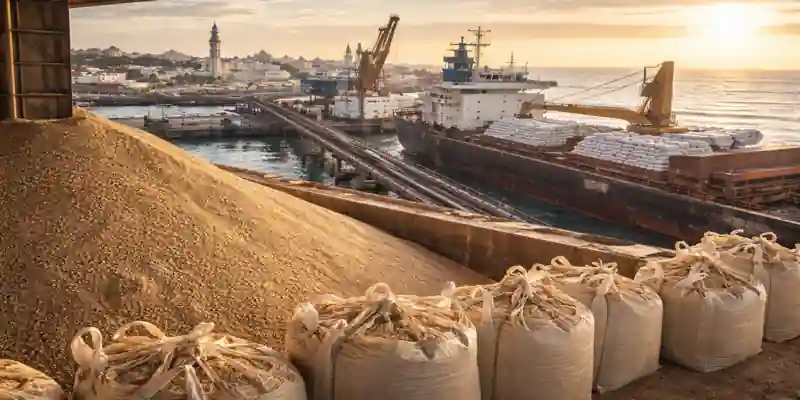
Of the total volume, tenders have already been floated for 465,000 metric tons. According to the Ministry of Agriculture and Livestock Development, 266,510 metric tons are currently in the supply chain. Out of this, the Agricultural Inputs Company Limited (AICL) is importing 180,491 MT, while Salt Trading Corporation is procuring 86,016 MT.
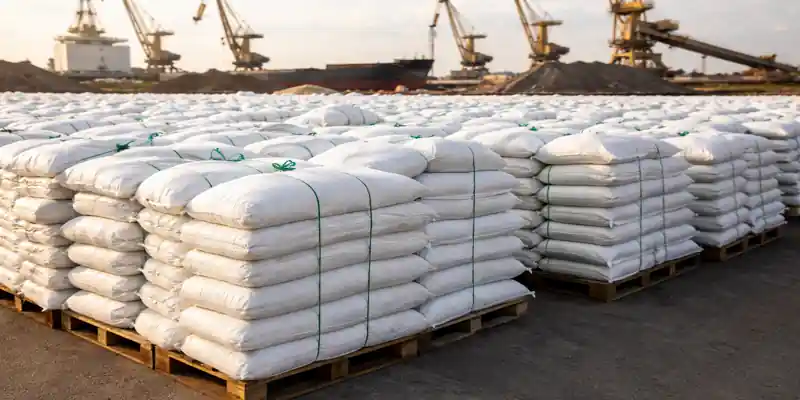
In addition, 86,333 MT remain in government warehouses, ready for state distribution, ensuring farmers have earlier access to required nutrients for wheat, maize, and off-season crop cycles.
Why the Allocation Matters for Farmers
The Chemical Fertilizer Import Allocation is critical for Nepal’s food-security strategy. Stable fertilizer availability directly affects crop productivity, especially for small and subsistence farmers who make up the majority of Nepal’s agricultural economy. Shortages in past years led to delayed planting and yield losses, pushing the government to strengthen supply planning.
Expected Impact on Market & Agriculture
With tenders issued early and inventory already in storage, the government aims to reduce seasonal shortages, black-market pricing, and import delays. If supply remains consistent, Nepal could witness better harvest output, reduced reliance on emergency imports, and improved distribution efficiency.
The Chemical Fertilizer Import Allocation signals a more proactive approach to agri-input management — and farmers are now watching whether supply reaches fields in time.